
“Death begins in the colon.” Élie Metchnikoff (1845 – 1916), “father” of the gerotology
This month’s theme: Gut Microbiota and Longevity
Introduction
Gut microbiota are the vast community of microorganisms—mainly bacteria, but also viruses, fungi, and other microbes—that live in your digestive tract, especially in the intestines. Gut microbiota are important because they help digest food, produce essential vitamins, support the immune system, and protect the body from harmful microbes. They also play a role in regulating metabolism and overall health, so maintaining a balanced gut microbiota helps keep the body functioning properly. A bad or imbalanced gut microbiota can lead to several health problems. It may cause digestive issues like bloating, diarrhea, or constipation, weaken the immune system, and increase inflammation in the body. Over time, it has also been linked to conditions such as obesity, allergies, and even mental health issues like anxiety or depression.
Changes in microbiota with age
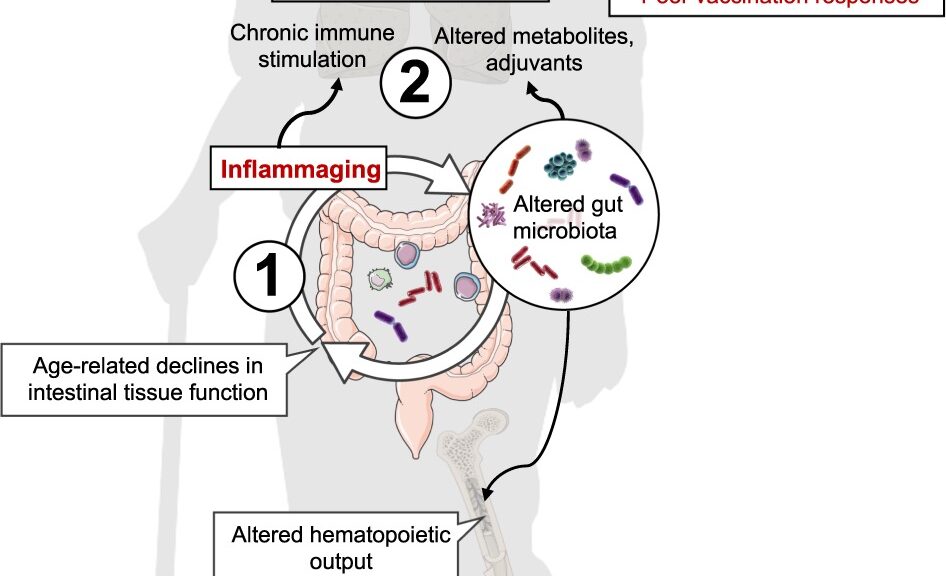
With aging, the human gut microbiota undergoes notable changes in diversity, composition, and function. After remaining relatively stable through adulthood, older age is often associated with microbial imbalance (dysbiosis), characterized by shifts in key bacterial groups, including a decline in beneficial microbes and an increase in potentially harmful ones such as Proteobacteria and Enterobacteriaceae. Diversity may decrease in frail individuals or those with multiple diseases, although some healthy elderly individuals maintain or even show increased diversity. Functionally, aging microbiota tends to produce fewer beneficial metabolites like short-chain fatty acids and shows altered metabolic pathways, which can impair gut barrier integrity and promote chronic low-grade inflammation (“inflammaging”). These changes are influenced by factors such as diet, medications, reduced immunity, and lifestyle, and are strongly linked to a higher risk of age-related diseases.
Metabolism
Gut microbiota play an important role in metabolism and nutrition, especially in older adults, by helping break down food that the body cannot digest on its own. They assist in extracting nutrients and producing important substances like vitamins and short-chain fatty acids, which provide energy and support gut health. As people age, changes in microbiota can reduce nutrient absorption and alter energy balance, sometimes leading to malnutrition or weight changes.
Gut-Brain Axis
The gut microbiota—the trillions of microorganisms living in the digestive tract—are increasingly recognized as key regulators of brain health through the gut–brain axis, a bidirectional communication system involving neural, immune, and metabolic pathways. Research shows that beneficial gut bacteria produce metabolites such as short-chain fatty acids (SCFAs) that also support brain function by reducing inflammation, strengthening the blood–brain barrier, and influencing neurotransmitter systems, all of which are critical for memory and cognition. Conversely, gut dysbiosis is consistently associated with cognitive decline, mild cognitive impairment, and dementia, often characterized by reduced microbial diversity and increased pro-inflammatory bacteria. These changes can promote chronic inflammation and immune dysregulation, which are known contributors to neurodegeneration and memory loss. Additionally, specific microbiome patterns have been linked to measurable differences in cognitive performance and brain structure, suggesting that the microbiota may act as both a biomarker and modifiable risk factor for memory decline.
How does it affect aging adults?
Aging is commonly associated with persistent low-grade inflammation, a phenomenon known as Inflammaging. A balanced and diverse gut microbiome helps maintain the integrity of the intestinal barrier and prevents harmful microbial products from entering the bloodstream. When intestinal bacteria ferment dietary fiber, they generate short-chain fatty acids (SCFAs) such as butyrate, acetate, and propionate. These metabolites support intestinal cell health, regulate immune responses, and reduce inflammation. Butyrate, in particular, provides energy for colon cells and has been associated with improved metabolic health and protection against age-related decline. Through these biochemical activities, gut microbes can affect systemic physiology and potentially slow processes linked to biological aging.
In addition, gut microbes interact with key molecular pathways that regulate lifespan. These include the mTOR signaling pathway, AMP-activated protein kinase, and Insulin signaling pathways. These signaling systems control cellular growth, energy metabolism, stress resistance, and autophagy, all of which are critical determinants of aging and longevity. By modulating these pathways through metabolic products and immune interactions, gut microbiota can influence lifespan. Studies of long-lived populations provide further evidence linking gut microbiota to longevity.
Research on centenarians has shown that they often possess a more diverse and stable gut microbiome compared with younger elderly individuals. Their microbiota tends to contain higher levels of beneficial and anti-inflammatory bacteria such as Akkermansia muciniphila, Faecalibacterium prausnitzii, and species from the genus Bifidobacterium. These microorganisms contribute to improved gut barrier function, reduced inflammation, and enhanced production of beneficial metabolites, factors that may help support healthy aging and increased lifespan. Overall, the gut microbiota is increasingly recognized as a key regulator of aging processes.
Maintaining a diverse and balanced microbiome through diet, lifestyle, and other interventions may therefore be an important strategy for promoting longevity and reducing the risk of age-related diseases.
Connections to Diseases
The connection between gut health and Alzheimer’s disease operates through the gut-brain axis. Dysbiosis promotes the production of pro-inflammatory cytokines and neurotoxic metabolites that can cross the blood-brain barrier. Chronic gut-derived inflammation appears to accelerate the accumulation of amyloid-beta plaques and tau tangles, the pathological hallmarks of Alzheimer’s. Certain harmful gut bacteria also produce amyloid proteins themselves, potentially seeding or amplifying brain amyloid deposition. Conversely, beneficial bacteria produce neuroprotective compounds, including SCFAs that reduce neuroinflammation and support synaptic health.
Gut microbiota profoundly influence glucose metabolism, insulin sensitivity, and energy regulation—all central to Type 2 Diabetes. People with diabetes typically show reduced microbial diversity, with lower populations of SCFA-producing bacteria and higher levels of opportunistic pathogens. This imbalance contributes to increased intestinal permeability, allowing endotoxins into circulation and driving the chronic inflammation that worsens insulin resistance.
The gut microbiome influences cardiovascular health through several pathways, most notably the production of trimethylamine N-oxide (TMAO). When certain gut bacteria metabolize nutrients like choline, lecithin, and carnitine—abundant in red meat, eggs, and full-fat dairy—they produce trimethylamine, which the liver converts to TMAO. Elevated TMAO levels are strongly associated with atherosclerosis, blood clot formation, and increased risk of heart attack and stroke. Beyond TMAO, gut dysbiosis promotes systemic inflammation that damages blood vessel walls, accelerates plaque formation, and impairs vascular function. Beneficial bacteria, by contrast, produce SCFAs that help regulate blood pressure, reduce cholesterol absorption, and maintain endothelial health.
Fecal microbiota transplantation (FMT) is a therapeutic approach in which stool from a healthy donor is transferred into a patient’s gastrointestinal tract to restore a balanced gut microbiome, now recognized as a key regulator of digestion, immunity, metabolism, and even brain function. It is most firmly established as a highly effective treatment for recurrent Clostridioides difficile infection, where it can achieve cure rates exceeding standard antibiotics, but it is also being actively studied for conditions such as inflammatory bowel diseases, metabolic disorders, cancer therapy support, and neuropsychiatric conditions through the gut–brain axis. Current research focuses on understanding how donor microbes successfully colonize (engraft) in recipients, how they modulate immune and metabolic pathways, and why outcomes vary depending on donor–recipient compatibility. Despite promising results, FMT remains experimental in most applications due to concerns about long-term safety, unintended transfer of harmful microbes or traits, and variability in clinical response, leading to a shift toward more controlled approaches such as standardized microbial consortia and capsule-based microbiome therapies.
Practical Dietary Strategies for Gut-Supported Healthy Aging
To cultivate a microbiome that supports healthy aging, focus on dietary diversity and fiber intake as foundational principles. A varied diet rich in colorful vegetables, fruits, legumes, nuts, seeds, and whole grains provides the range of fibers and polyphenols that nourish different beneficial bacterial species. The Mediterranean and MIND diets, both associated with reduced risk of cognitive decline, diabetes, and heart disease, exemplify this approach. Incorporate fermented foods regularly—yogurt with live cultures, kefir, traditionally fermented sauerkraut and kimchi, miso, and kombucha—to introduce beneficial microbes directly. Limit ultra-processed foods, excessive sugar, and artificial sweeteners, which can disrupt microbial balance and promote inflammation. While probiotic supplements can be useful, particularly after antibiotics or for specific conditions, whole-food sources generally provide broader benefits along with complementary nutrients. Consistency matters more than perfection. The microbiome responds to sustained dietary patterns rather than occasional interventions, so building lasting habits around fiber-rich, fermented, and minimally processed foods offers the best foundation for gut health across the lifespan.
Conclusion
The gut microbiota play a central role in regulating metabolism, immunity, and brain function, making it a key factor in healthy aging. Age-related changes in microbial composition can contribute to inflammation and disease. These effects can be mitigated by maintaining a diverse and balanced microbiome. More advanced and potentially transformative approaches to improving the microbiome, such as microbiota transplantation and the introduction of engineered or beneficial microorganisms, may hold promise for the future. In this field, as in many others, accelerated research efforts and enhanced data sharing are essential to achieve faster progress.
The news of the month: Heritability of intrinsic human life span is about 50% when confounding factors are addressed.
A new study published in Science (January 29, 2026) suggests that genetics may play a much larger role in human longevity than previously thought.
By reanalyzing more than a century of Scandinavian twin data and separating extrinsic mortality (accidents, infections, violence) from intrinsic mortality linked to biological aging, the researchers found that the heritability of intrinsic human lifespan may exceed 50%. Earlier studies that mixed these causes likely underestimated the genetic contribution.
These findings highlight that while lifestyle and environment remain important, inherited genetic biology plays a central role in how we age.
News of Heales and the Longevity Community
On Wednesday, April 8, there will be an international demonstration for funding longevity with people demonstrating in many cities. In Brussels, we will have a small gathering at Place de la Monnaie from 17 to 18:00 CET. More information: fundlongevity.org/en/
For more information
- Heales, Longevity Escape Velocity Foundation, International Longevity Alliance, Longecity, Lifespan.io, and Aging biotech
- Heales Monthly Science News
- Heales YouTube channel
- Contact us
- Image from Bosco N., Noti M. The aging gut microbiome and its impact on host immunity. Genes & Immunity, 22, 289–303 (2021)