Tag Archives: featured

The Death of Death N°205. May 2026.


To live long it is necessary to live slowly. Attributed  to Cicero


This month’s theme: Longevity of cave organisms


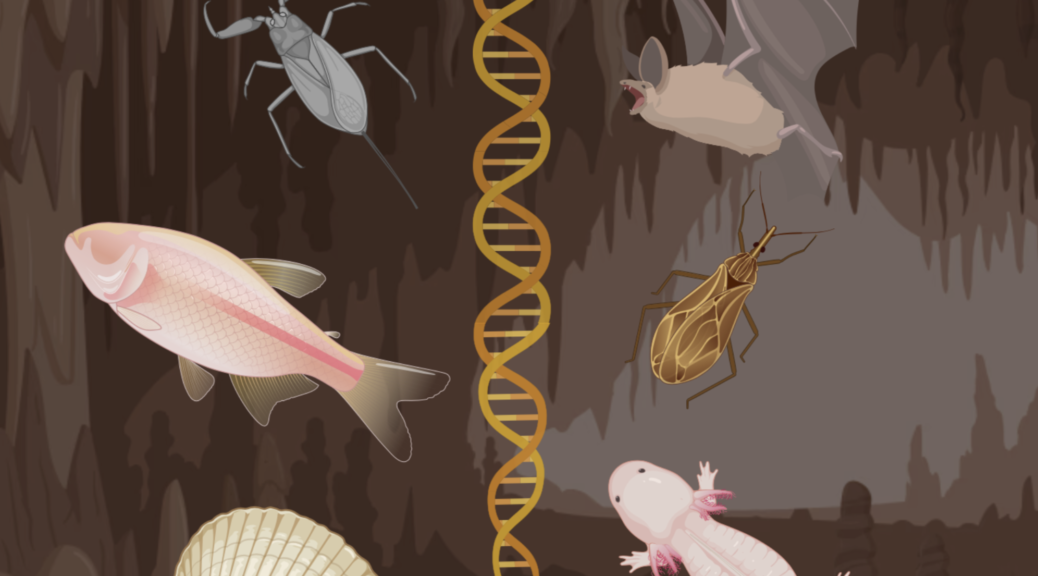
One of the most intriguing natural experiments in evolution happens in the dark: caves. Across the tree of life, closely related populations have repeatedly colonized subterranean environments. These cave-dwelling organisms (troglobionts) often show striking differences from their surface relatives, including reduced eyes and pigmentation, altered metabolism, and of particular interest here, changes in lifespan. So what drives this pattern?

Difference of life expectancy between cave and surface organisms

Across multiple lineages, cave-dwelling organisms tend to exhibit extended lifespans compared to their surface relatives, although the strength of this pattern varies across taxa.

The cave salamander Proteus anguinus represents one of the most extreme cases of longevity. Individuals have an average lifespan of around 70 years and may exceed 100 years, far surpassing most surface-dwelling amphibians of comparable size.

The Italian cave salamander Speleomantes italicus can live up to 25 years, which is relatively long for small amphibians and consistent with a slow life-history strategy associated with subterranean environments.

In cavefish Astyanax mexicanus, individuals can reach up to 15 years of age, exceeding the lifespan of surface populations. These fish also display prolonged reproductive capacity.

North American cavefish including Amblyopsis spelaea and Typhlichthys subterraneus are hypothesized to reach 20–30 years under natural conditions, suggesting substantial longevity potential.

Among invertebrates, the cave bivalve Congeria kusceri shows exceptional longevity, with individuals living over 50 years, a long  lifespan for this group, even if  some bivalves can live considerably longer, up to 500 years.

Cave crustaceans such as Orconectes australis can live for more than two decades, reflecting slow growth and reduced metabolic rates typical of subterranean species.

Similarly, the cave isopod Bahalana geracei exhibits lifespans ranging from approximately 24 to 35 years, which is unusually long for small invertebrates.

Even cave-adapted beetles such as Laemostenus schreibersi can live for more than six years, exceeding the lifespan of many surface-dwelling insects of similar size.

A similar pattern of extended longevity relative to body size is observed in Chiroptera. Bats are among the longest-lived mammals for their size, with some species living several decades despite their small body mass. For example, Myotis brandtii can live over 40 years. Although bats are not obligate cave dwellers, their ecology shares key features with subterranean environments, such as stable microclimates and reduced predation.

Extrinsic mortality and life-history evolution

The most widely accepted explanation for increased longevity in cave organisms is rooted in classical life-history theory. Subterranean environments are remarkably stable, lacking seasonal variation, light cycles, and often predators, which greatly reduces extrinsic mortality (the risk of death from external causes). Under such conditions, evolutionary theory predicts a shift in resource allocation: rather than investing in rapid growth and reproduction, organisms favor long-term survival and maintenance. This results in a suite of correlated traits, including slower growth, delayed reproduction, reduced fecundity, and ultimately extended lifespan. This pattern has been documented across multiple cave systems. For instance, cave-dwelling fish such as Astyanax mexicanus reproduce less frequently but retain reproductive capacity over longer periods, while many cave invertebrates exhibit reduced metabolic rates and prolonged developmental times, consistent with a “slow” life-history strategy.

Metabolic rate and energy limitation

Caves are energy-poor environments in which primary production is absent and food inputs are sporadic, arriving mainly through detritus. As a consequence, cave organisms have evolved to cope with chronic resource limitation. A common adaptation is metabolic depression, characterized by lower basal metabolic rates, reduced activity levels, and increased efficiency in energy use. These traits are directly relevant to longevity, as reduced metabolic rates are often associated with lower production of reactive oxygen species (ROS), which contribute to cellular damage and aging. In addition, many cave species show enhanced resistance to starvation, involving adaptations such as altered lipid storage, modifications in insulin signaling pathways, and improved stress resistance. Notably, these physiological changes overlap with key molecular pathways known to regulate longevity in established model organisms, suggesting that adaptation to energy limitation may incidentally promote extended lifespan.

Stress resistance and cellular maintenance

Cave organisms frequently exhibit increased tolerance to environmental stressors such as hypoxia, oxidative stress, and chronic nutrient deprivation, a pattern particularly well documented in cavefish and subterranean invertebrates. Enhanced stress resistance is a hallmark of long-lived organisms, and in these species it is often supported by multiple complementary mechanisms. These include the upregulation of antioxidant defenses that limit oxidative damage, improved DNA repair systems that maintain genomic integrity, and more efficient protein homeostasis (proteostasis), which prevents the accumulation of damaged or misfolded proteins. These adaptations could reduce the progressive buildup of cellular damage over time, thereby contributing to slower aging and extended lifespan in subterranean environments.

Reproductive strategy trade-offs

Another key factor is the shift in reproductive strategy. It has been noted that cave organisms show fewer offspring, larger eggs or greater parental investment, and longer reproductive intervals. This pattern reflects a classic trade-off between reproduction and maintenance. Energy that would otherwise be devoted to producing many offspring is instead redirected toward survival, repair, and overall maintenance of the organism.

Genetic and genomic changes

At the genomic level, cave adaptation is complex and still under active investigation. Several hypotheses link genome evolution to longevity in cave-dwelling species. One important aspect concerns genome size and transposable elements. Some studies suggest that cave species may differ in genome size compared to their surface-dwelling relatives, which could be associated with either the accumulation or reduction of transposable elements, as well as changes in repetitive DNA content.

However, the relationship between genome size and longevity is not straightforward. Larger genomes can impose metabolic costs, such as slower cell division, but they may also play a role in gene regulation and genomic stability. As a result, genome evolution in cave species may contribute to longevity in indirect and highly context-dependent ways.

Is there still a limit to lifespan?

Even in very stable environments, the lifespan of organisms remains limited. This can be explained by a combination of evolutionary and biological factors. From an evolutionary perspective, natural selection is stronger on traits affecting early reproduction than on those acting later in life, which allows for the accumulation of deleterious mutations linked to aging. At the same time, constant pressures such as parasites, pathogens, and ecological interactions may drive ongoing coevolution, reinforcing the importance of generational renewal. Finally, at the biological level, organisms inevitably undergo progressive molecular damage that cannot be fully repaired with current scientific knowledge.

Conclusion

Cave systems provide a powerful natural framework for studying aging because they combine several key advantages: repeated and independent evolutionary events through multiple cave colonizations, clear environmental contrasts between surface and subterranean habitats, and closely related taxa that nonetheless display strongly divergent life histories.

Together, these features make cave organisms particularly valuable for testing fundamental questions in evolutionary biology and gerontology. They allow researchers to explore how environmental pressures shape the evolution of lifespan, to identify the genetic and physiological changes associated with extended longevity, and to investigate whether there are universal mechanisms of aging shared across different taxa.


The good news of the month: Cloning does not reduce life expectancy


A new study published in Nature Communications explored the long-term limits of mammalian cloning by serially cloning mice over 20 years and 58 generations. Surprisingly, the cloned mice remained healthy and had normal lifespans despite accumulating genetic mutations over time. Even more interesting, when these late-generation clones reproduced sexually, many of the accumulated abnormalities were naturally corrected in the next generation. The study highlights the remarkable resilience and “repair capacity” of sexual reproduction, offering new insights into genetic stability, fertility, and the mechanisms that help preserve healthy aging across generations.


News of Heales and the Longevity Community: ARDD conference in Boston in October 2026.


The Aging Research and Drug Discovery Conference (ARDD), one of the leading global conferences in longevity science, will not take place in Copenhagen this year as originally planned. Instead, the event is expected to be relocated to Boston (21 – 23 October) and integrated into a broader series of events during Boston Longevity Week.

For more information

The Death of Death N°204. April 2026. Genes for Longevity


“If you would live long, choose your ancestors well”. A Cournil , T B Kirkwood


This month’s theme: Genes for Longevity


Introduction

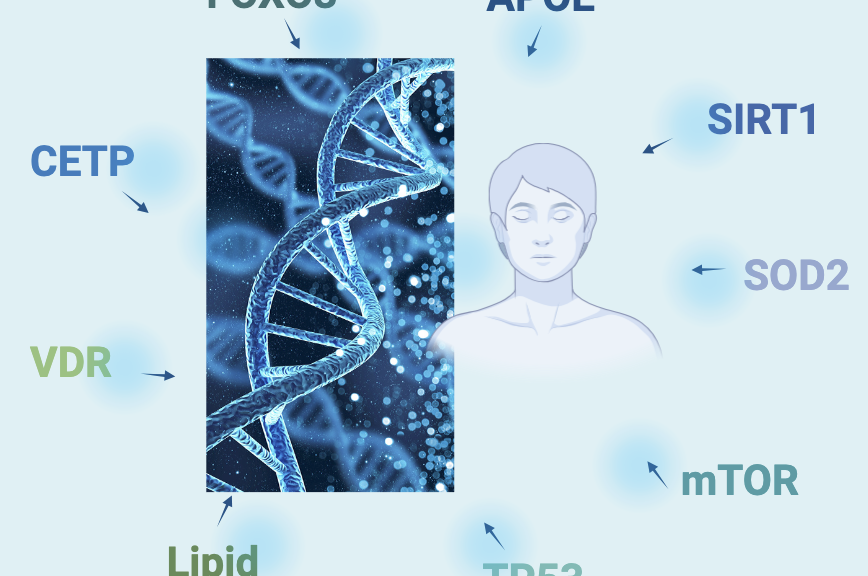
Genes associated with longevity are those that influence cellular maintenance, stress resistance, metabolism, and repair processes, helping organisms live longer and healthier lives. Key examples include FOXO genes, which regulate stress responses and protect against cellular damage; SIRT genes (sirtuins), involved in DNA repair and metabolic control; and mTOR, a pathway that links nutrient availability to growth and aging, where reduced activity is often associated with increased lifespan. Other important players include telomerase (TERT), which maintains chromosome stability, and genes involved in antioxidant defense and DNA repair. Together, these genes do not act alone but form interconnected pathways that determine how well cells resist damage over time, making them central targets in aging research and potential interventions to extend lifespan.

FOXO3The Cellular Survival Strategist FOXO3 is often considered the star player among longevity genes, and for good reason. It encodes a transcription factor—a protein that turns other genes on or off—particularly those involved in stress resistance, metabolism, and cell repair. When cells face challenges like oxidative stress (damage from free radicals), FOXO3 activates protective pathways that enhance DNA repair, regulate the cell cycle, and even trigger the removal of damaged cells. It is tightly linked to the insulin/IGF-1 signaling pathway, one of the most important biological systems controlling aging across species. Variants such as rs2802292 have been repeatedly associated with longer lifespan and healthier metabolic profiles, suggesting that individuals with favorable versions of FOXO3 may be better equipped to maintain cellular integrity over time . 

APOEThe Disease Gatekeeper APOE plays a central role in lipid (fat) transport and cholesterol metabolism, but its real significance in longevity lies in disease prevention. Different versions (alleles) of this gene—ε2, ε3, and ε4—have dramatically different effects. The ε2 variant is associated with increased lifespan, largely because it lowers the risk of Alzheimer’s disease and cardiovascular conditions, two of the leading causes of death in older adults. In contrast, ε4 increases disease risk and is linked to shorter average lifespan. Rather than directly slowing aging, APOE influences how well the body avoids major age-related diseases, making it a key “gatekeeper” gene for healthy aging. 

SIRT1The Metabolic Longevity Switch SIRT1 belongs to the sirtuin family of proteins, often described as “longevity regulators.” It is activated under conditions of low energy availability—such as fasting or calorie restriction—and helps cells adapt by improving efficiency and resilience. SIRT1 promotes DNA repair, reduces inflammation, enhances mitochondrial function, and increases resistance to oxidative stress. These effects collectively mimic the biological benefits of calorie restriction, one of the most robust lifespan-extending interventions observed in animal studies. Genetic variants in SIRT1 have been linked to differences in metabolism and age-related disease risk, highlighting its role as a molecular bridge between diet, energy balance, and aging . 

SOD2The Mitochondrial Bodyguard SOD2 encodes an enzyme located in the mitochondria—the energy-producing structures inside cells. Its job is to neutralize reactive oxygen species (ROS), harmful byproducts of energy metabolism that can damage DNA, proteins, and cell membranes. Over time, unchecked oxidative stress contributes to aging and many chronic diseases. By converting these reactive molecules into less harmful substances, SOD2 acts as a frontline defense against cellular damage. Variants in this gene can influence how effectively cells manage oxidative stress, thereby affecting susceptibility to aging-related decline . 

SIRT1, mTOR, and the Nutrient-Sensing Network — The Aging Control Hub Beyond individual genes, longevity is strongly influenced by entire signaling pathways, particularly those that sense nutrient availability. SIRT1 works alongside pathways like mTOR (mechanistic target of rapamycin), which regulates growth and metabolism based on nutrient levels. When nutrients are abundant, mTOR promotes growth and reproduction; when scarce, reduced mTOR activity shifts the body toward repair and maintenance. This balance is crucial: excessive mTOR activity is linked to aging and disease, while its inhibition (as seen in calorie restriction or certain drugs like rapamycin) is associated with lifespan extension. Together, these pathways form a central “control hub” that determines how the body allocates energy between growth and longevity . 

TP53The Genome Protector TP53, often called the “guardian of the genome,” is best known for its role in preventing cancer. It monitors DNA integrity and can halt cell division or trigger cell death if damage is detected. While this function is essential for preventing tumors, it also has complex effects on aging. On one hand, strong TP53 activity protects against cancer; on the other, excessive activation may accelerate aging by limiting cell renewal. Variants in TP53 are being studied for their role in balancing these opposing effects, making it a key gene at the intersection of longevity and cancer biology . 

CETP, Lipid Genes and VDR

Genes involved in lipid metabolism and vitamin D signaling play a key supporting role in longevity by maintaining overall health. helps regulate the balance between HDL (“good”) and LDL (“bad”) cholesterol, with certain variants linked to lower cardiovascular risk and longer lifespan. In parallel, governs the body’s response to vitamin D, influencing bone health, immune function, and inflammation. Together, these pathways contribute indirectly to longevity by reducing the burden of chronic disease and supporting long-term health.

Supercentenarians

Supercentenarians often carry beneficial variants in genes like FOXO3, which improves cellular stress resistance and repair through insulin signaling pathways, and SIRT1, which supports DNA repair, metabolism, and anti-inflammatory processes. The APOE ε2 variant is frequently associated with longer life because it lowers the risk of Alzheimer’s and cardiovascular disease, helping individuals avoid major age-related illnesses. Genes such as SOD2 protect against oxidative damage in mitochondria, while TP53 maintains DNA integrity and reduces cancer risk. Together, these genes form a network that promotes efficient maintenance of cells and reduces disease burden, allowing some individuals to reach extreme ages.

Extreme longevity in supercentenarians results from a combination of protective genetic variants, especially those enhancing stress resistance and disease prevention. These genes don’t act alone—they work together with environment and lifestyle to enable exceptionally long, healthy lives. 

Insights from the longest-lived species

A recent study published in Nature sheds light on the extraordinary longevity of the bowhead whale, which can live for more than 200 years. Researchers identified enhanced activity of genes involved in DNA repair and stress response, notably CIRBP (Cold-Inducible RNA Binding Protein), which helps protect cells against genotoxic stress, as well as adaptations in ERCC1 and other DNA repair pathways. 

The naked mole-rat is another powerful model, known for its long lifespan and cancer resistance. It exhibits unique regulation of genes such as HAS2, responsible for producing high-molecular-mass hyaluronan that enhances tissue integrity and suppresses tumor formation. In addition, tumor suppressor pathways involving TP53 and CDKN2A are unusually robust in this species, contributing to enhanced control of cell proliferation and damage response.

The greenland shark, with a lifespan exceeding 400 years, shows genetic adaptations in pathways linked to DNA repair and metabolic stability. Studies point to modifications in genes such as RAD50 and ATM, which are involved in detecting and repairing DNA damage, as well as genes regulating oxidative stress responses. 

Finally, the Turritopsis dohrnii demonstrates a unique form of biological “immortality” through its ability to revert to an earlier life stage. This process involves genes linked to cellular reprogramming and pluripotency, including SOX2, MYC, and NANOG, as well as enhanced DNA repair genes like PARP1. 

Conclusion

We do not know exactly why we age. But we know that the maximal lifespan is determined principally by our genes. That’s why we live until 120 years, the mice a maximum of 4 years and the Galapagos tortoises a maximum of 200 years. One day maybe a gene therapy could change our limits.


The good news of the month: Life expectancy of cloned mice does not decrease. First human clinical trial of “partial cellular reprogramming” for people with glaucoma.


First good news

A remarkable long-term study shows both the power—and limits—of cloning in mammals. Over 20 years, scientists led by Teruhiko Wakayama successfully cloned mice for up to 58 generations from a single individual, with many animals appearing healthy and living normal lifespans. Subtle genetic mutations accumulated over time, eventually reducing cloning success and halting the process. However, interestingly, the lifespan of successive generations of cloned animals did not decrease. Encouragingly, natural reproduction was able to “reset” many of these defects, highlighting the body’s intrinsic ability to maintain genetic health. The findings suggest that while cloning and cellular reprogramming hold huge promise, biology still relies on built-in repair mechanisms—offering valuable insight for future longevity and regenerative therapies.

Second good news

Recent advances in longevity science are moving from theory to reality, as the first human clinical trial of “partial cellular reprogramming” is set to begin this year. Researchers have shown in animals that it’s possible to rewind cells to a more youthful state without erasing their identity. In mice, this approach has improved tissue regeneration, restored vision, and even extended lifespan. Now, a biotech company called Life Biosciences will test whether this method can safely repair optic nerve damage in people with glaucoma.


News of Heales and the Longevity Community: ARDD conference in Boston in October 2026.


The Aging Research and Drug Discovery Conference (ARDD), one of the leading global conferences in longevity science, will not take place in Copenhagen this year as originally planned. Instead, the event is expected to be relocated to Boston (21 – 23 October) and integrated into a broader series of events during Boston Longevity Week.


For more information

The Death of Death N°203. March 2026. Gut Microbiota and Longevity


“Death begins in the colon.” Élie Metchnikoff (1845 – 1916), “father” of the gerotology


This month’s theme: Gut Microbiota and Longevity


Introduction

Gut microbiota are the vast community of microorganisms—mainly bacteria, but also viruses, fungi, and other microbes—that live in your digestive tract, especially in the intestines. Gut microbiota are important because they help digest food, produce essential vitamins, support the immune system, and protect the body from harmful microbes. They also play a role in regulating metabolism and overall health, so maintaining a balanced gut microbiota helps keep the body functioning properly. A bad or imbalanced gut microbiota can lead to several health problems. It may cause digestive issues like bloating, diarrhea, or constipation, weaken the immune system, and increase inflammation in the body. Over time, it has also been linked to conditions such as obesity, allergies, and even mental health issues like anxiety or depression.

Changes in microbiota with age

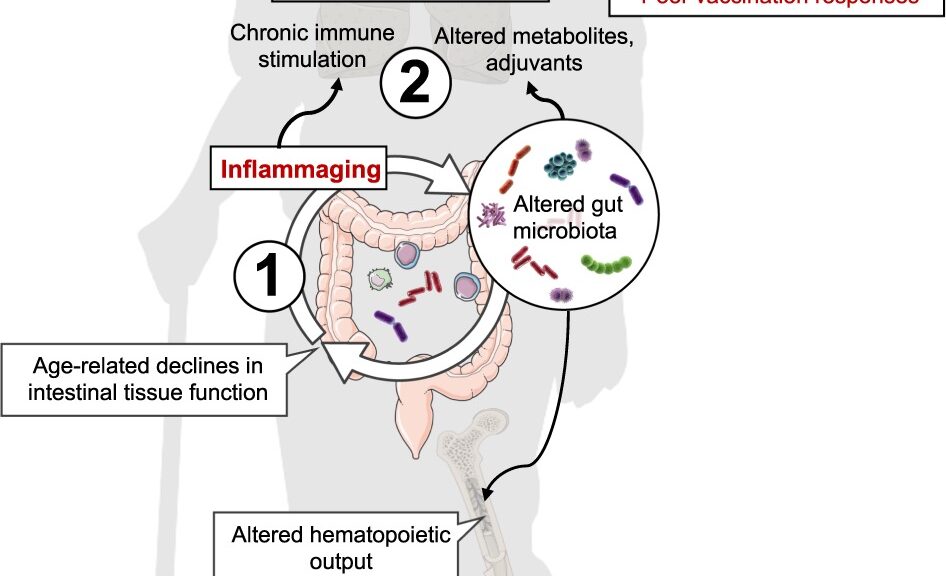
With aging, the human gut microbiota undergoes notable changes in diversity, composition, and function. After remaining relatively stable through adulthood, older age is often associated with microbial imbalance (dysbiosis), characterized by shifts in key bacterial groups, including a decline in beneficial microbes and an increase in potentially harmful ones such as Proteobacteria and Enterobacteriaceae. Diversity may decrease in frail individuals or those with multiple diseases, although some healthy elderly individuals maintain or even show increased diversity. Functionally, aging microbiota tends to produce fewer beneficial metabolites like short-chain fatty acids and shows altered metabolic pathways, which can impair gut barrier integrity and promote chronic low-grade inflammation (“inflammaging”). These changes are influenced by factors such as diet, medications, reduced immunity, and lifestyle, and are strongly linked to a higher risk of age-related diseases.

Metabolism

Gut microbiota play an important role in metabolism and nutrition, especially in older adults, by helping break down food that the body cannot digest on its own. They assist in extracting nutrients and producing important substances like vitamins and short-chain fatty acids, which provide energy and support gut health. As people age, changes in microbiota can reduce nutrient absorption and alter energy balance, sometimes leading to malnutrition or weight changes. 

Gut-Brain Axis

The gut microbiota—the trillions of microorganisms living in the digestive tract—are increasingly recognized as key regulators of brain health through the gut–brain axis, a bidirectional communication system involving neural, immune, and metabolic pathways. Research shows that beneficial gut bacteria produce metabolites such as short-chain fatty acids (SCFAs) that also support brain function by reducing inflammation, strengthening the blood–brain barrier, and influencing neurotransmitter systems, all of which are critical for memory and cognition. Conversely, gut dysbiosis is consistently associated with cognitive decline, mild cognitive impairment, and dementia, often characterized by reduced microbial diversity and increased pro-inflammatory bacteria. These changes can promote chronic inflammation and immune dysregulation, which are known contributors to neurodegeneration and memory loss. Additionally, specific microbiome patterns have been linked to measurable differences in cognitive performance and brain structure, suggesting that the microbiota may act as both a biomarker and modifiable risk factor for memory decline. 

How does it affect aging adults? 

Aging is commonly associated with persistent low-grade inflammation, a phenomenon known as Inflammaging. A balanced and diverse gut microbiome helps maintain the integrity of the intestinal barrier and prevents harmful microbial products from entering the bloodstream. When intestinal bacteria ferment dietary fiber, they generate short-chain fatty acids (SCFAs) such as butyrate, acetate, and propionate. These metabolites support intestinal cell health, regulate immune responses, and reduce inflammation. Butyrate, in particular, provides energy for colon cells and has been associated with improved metabolic health and protection against age-related decline. Through these biochemical activities, gut microbes can affect systemic physiology and potentially slow processes linked to biological aging. 

In addition, gut microbes interact with key molecular pathways that regulate lifespan. These include the mTOR signaling pathway, AMP-activated protein kinase, and Insulin signaling pathways. These signaling systems control cellular growth, energy metabolism, stress resistance, and autophagy, all of which are critical determinants of aging and longevity. By modulating these pathways through metabolic products and immune interactions, gut microbiota can influence lifespan. Studies of long-lived populations provide further evidence linking gut microbiota to longevity. 

Research on centenarians has shown that they often possess a more diverse and stable gut microbiome compared with younger elderly individuals. Their microbiota tends to contain higher levels of beneficial and anti-inflammatory bacteria such as Akkermansia muciniphila, Faecalibacterium prausnitzii, and species from the genus Bifidobacterium. These microorganisms contribute to improved gut barrier function, reduced inflammation, and enhanced production of beneficial metabolites, factors that may help support healthy aging and increased lifespan. Overall, the gut microbiota is increasingly recognized as a key regulator of aging processes. 

Maintaining a diverse and balanced microbiome through diet, lifestyle, and other interventions may therefore be an important strategy for promoting longevity and reducing the risk of age-related diseases.

Connections to Diseases

The connection between gut health and Alzheimer’s disease operates through the gut-brain axis. Dysbiosis promotes the production of pro-inflammatory cytokines and neurotoxic metabolites that can cross the blood-brain barrier. Chronic gut-derived inflammation appears to accelerate the accumulation of amyloid-beta plaques and tau tangles, the pathological hallmarks of Alzheimer’s. Certain harmful gut bacteria also produce amyloid proteins themselves, potentially seeding or amplifying brain amyloid deposition. Conversely, beneficial bacteria produce neuroprotective compounds, including SCFAs that reduce neuroinflammation and support synaptic health. 

Gut microbiota profoundly influence glucose metabolism, insulin sensitivity, and energy regulation—all central to Type 2 Diabetes. People with diabetes typically show reduced microbial diversity, with lower populations of SCFA-producing bacteria and higher levels of opportunistic pathogens. This imbalance contributes to increased intestinal permeability, allowing endotoxins into circulation and driving the chronic inflammation that worsens insulin resistance.

The gut microbiome influences cardiovascular health through several pathways, most notably the production of trimethylamine N-oxide (TMAO). When certain gut bacteria metabolize nutrients like choline, lecithin, and carnitine—abundant in red meat, eggs, and full-fat dairy—they produce trimethylamine, which the liver converts to TMAO. Elevated TMAO levels are strongly associated with atherosclerosis, blood clot formation, and increased risk of heart attack and stroke. Beyond TMAO, gut dysbiosis promotes systemic inflammation that damages blood vessel walls, accelerates plaque formation, and impairs vascular function. Beneficial bacteria, by contrast, produce SCFAs that help regulate blood pressure, reduce cholesterol absorption, and maintain endothelial health.

Fecal microbiota transplantation (FMT) is a therapeutic approach in which stool from a healthy donor is transferred into a patient’s gastrointestinal tract to restore a balanced gut microbiome, now recognized as a key regulator of digestion, immunity, metabolism, and even brain function. It is most firmly established as a highly effective treatment for recurrent Clostridioides difficile infection, where it can achieve cure rates exceeding standard antibiotics, but it is also being actively studied for conditions such as inflammatory bowel diseases, metabolic disorders, cancer therapy support, and neuropsychiatric conditions through the gut–brain axis. Current research focuses on understanding how donor microbes successfully colonize (engraft) in recipients, how they modulate immune and metabolic pathways, and why outcomes vary depending on donor–recipient compatibility. Despite promising results, FMT remains experimental in most applications due to concerns about long-term safety, unintended transfer of harmful microbes or traits, and variability in clinical response, leading to a shift toward more controlled approaches such as standardized microbial consortia and capsule-based microbiome therapies.

Practical Dietary Strategies for Gut-Supported Healthy Aging 

To cultivate a microbiome that supports healthy aging, focus on dietary diversity and fiber intake as foundational principles. A varied diet rich in colorful vegetables, fruits, legumes, nuts, seeds, and whole grains provides the range of fibers and polyphenols that nourish different beneficial bacterial species. The Mediterranean and MIND diets, both associated with reduced risk of cognitive decline, diabetes, and heart disease, exemplify this approach. Incorporate fermented foods regularly—yogurt with live cultures, kefir, traditionally fermented sauerkraut and kimchi, miso, and kombucha—to introduce beneficial microbes directly. Limit ultra-processed foods, excessive sugar, and artificial sweeteners, which can disrupt microbial balance and promote inflammation. While probiotic supplements can be useful, particularly after antibiotics or for specific conditions, whole-food sources generally provide broader benefits along with complementary nutrients. Consistency matters more than perfection. The microbiome responds to sustained dietary patterns rather than occasional interventions, so building lasting habits around fiber-rich, fermented, and minimally processed foods offers the best foundation for gut health across the lifespan.

Conclusion

The gut microbiota play a central role in regulating metabolism, immunity, and brain function, making it a key factor in healthy aging. Age-related changes in microbial composition can contribute to inflammation and disease. These effects can be mitigated by maintaining a diverse and balanced microbiome. More advanced and potentially transformative approaches to improving the microbiome, such as microbiota transplantation and the introduction of engineered or beneficial microorganisms, may hold promise for the future. In this field, as in many others, accelerated research efforts and enhanced data sharing are essential to achieve faster progress.


The news of the month: Heritability of intrinsic human life span is about 50% when confounding factors are addressed.


A new study published in Science (January 29, 2026) suggests that genetics may play a much larger role in human longevity than previously thought.

By reanalyzing more than a century of Scandinavian twin data and separating extrinsic mortality (accidents, infections, violence) from intrinsic mortality linked to biological aging, the researchers found that the heritability of intrinsic human lifespan may exceed 50%. Earlier studies that mixed these causes likely underestimated the genetic contribution.

These findings highlight that while lifestyle and environment remain important, inherited genetic biology plays a central role in how we age.


News of Heales and the Longevity Community


On Wednesday, April 8, there will be an international demonstration for funding longevity with people demonstrating in many cities. In Brussels, we will have a small gathering at Place de la Monnaie from 17 to 18:00 CET. More information: fundlongevity.org/en/


For more information

The Death of Death N°202. February 2026. GLP-1, first compound with broad positive effects for longevity?


The question is no longer whether scientists can justify pursuing longer, healthier lives. Instead, the burden now falls on defenders of forced ageing to explain why needless suffering should persist. The Ethics Case for Longevity Science Zhuang Zhuang Han, João Pedro de Magalhães.


This month’s theme: GLP-1, first coumpound with broad positive effects for longevity?


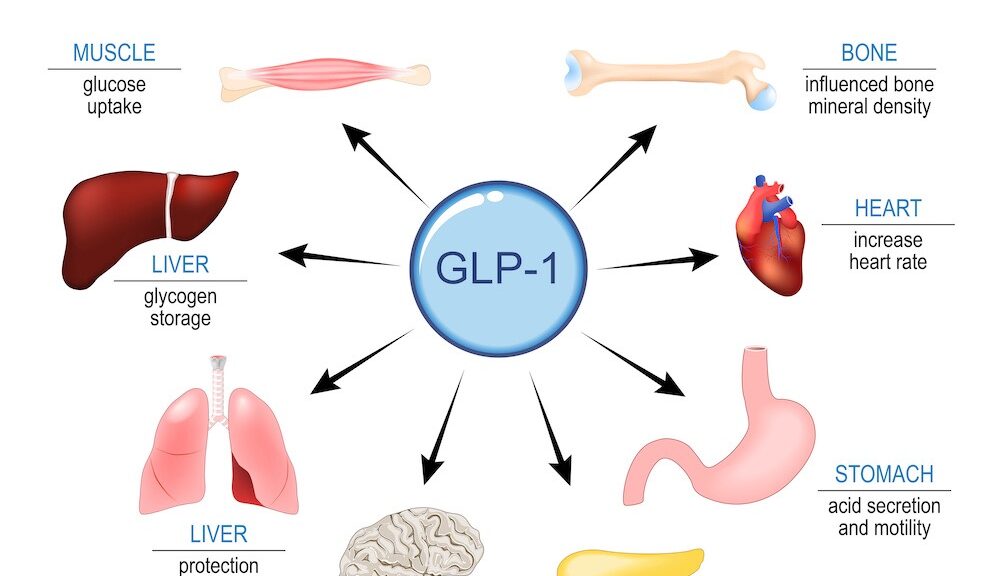
GLP-1 (glucagon-like peptide-1) is a hormone naturally produced in the intestines that helps regulate blood sugar levels, digestion, and appetite. It works by stimulating the pancreas to release insulin when blood sugar is high, while also reducing the release of glucagon, a hormone that raises blood sugar. Additionally, GLP-1 slows the rate at which food leaves the stomach, which helps prevent sudden spikes in blood sugar after eating and promotes a feeling of fullness. Medications that mimic GLP-1 are commonly used to treat type 2 diabetes and support weight management, and they are also being studied for potential benefits in heart health and metabolic aging.

Metabolic reprogramming

GLP-1 receptor agonists (GLP-1RAs) act far beyond glucose control, intersecting with several hallmarks of aging. They reduce chronic low-grade inflammation by lowering CRP and pro-inflammatory cytokines, improve insulin/IGF-1 signaling, enhance mitochondrial efficiency, and decrease oxidative stress. Preclinical studies show improved mitochondrial biogenesis and reduced cellular senescence markers in metabolic tissues. These pathways are central to geroscience because dysregulated nutrient sensing, mitochondrial dysfunction, and inflammaging drive multiple age-related diseases. By restoring metabolic flexibility and reducing lipotoxicity, GLP-1 therapies may function as metabolic reprogrammers, shifting physiology toward a lower biological age phenotype.

Obesity trends and public health

In the United States, adult obesity prevalence climbed almost continuously from the late 1970s through the 2010s, driven by an obesogenic food environment, sedentary lifestyles, and widening socioeconomic disparities. National Health and Nutrition Examination Survey (NHANES) data showed rates rising from roughly 30% in 1999–2000 to over 42% by 2017–2020, with severe obesity increasing even faster. However, the most recent national surveillance reports (2021–2023) suggest a possible plateau, and in certain age and income subgroups, a slight decline, occurring alongside the rapid adoption of GLP-1 receptor agonists for both diabetes and obesity treatment. Pharmacy and claims data indicate several-fold growth in prescriptions for semaglutide and tirzepatide during this period, with the highest uptake among middle-aged adults and those with private insurance.

Healthspan gains

Large outcome trials demonstrate that GLP-1RAs reduce major adverse cardiovascular events (MACE), even in non-diabetic individuals with obesity. The SELECT trial showed a 20% reduction in MACE with semaglutide in people with overweight/obesity and established CVD. In parallel, GLP-1 therapies improve non-alcoholic fatty liver disease (NAFLD/NASH) through weight-independent mechanisms, including reduced hepatic steatosis and inflammation. Benefits also extend to blood pressure, lipid profiles, and heart failure symptoms, suggesting multi-system healthspan effects rather than single-disease treatment.-

Fat loss vs. muscle preservation

While GLP-1 drugs produce substantial weight loss (≈10–15% with semaglutide), up to 25–40% of total weight lost can be lean mass if no countermeasures are taken. For longevity, preserving skeletal muscle is critical to avoid sarcopenia and frailty. Clinical guidance increasingly emphasizes high protein intake, resistance training, and progressive loading during GLP-1 therapy. Emerging data suggest that combining GLP-1 with structured exercise improves fat-to-lean loss ratio and functional outcomes, aligning weight reduction with healthspan goals rather than simple mass reduction.

Combination Longevity Therapies

GLP-1 drugs seem to generate largely positive effects, but are unlikely to be standalone gerotherapeutics but may serve as foundational metabolic platforms. Combining GLP-1 with exercise enhances mitochondrial function and cardiorespiratory fitness; pairing with metformin targets complementary nutrient-sensing pathways; future combinations with rapalogs or senolytics could address multiple hallmarks simultaneously. The geroscience model favors such stacked interventions to achieve additive or synergistic effects on healthspan and disease prevention. Clinical trials exploring multi-modal metabolic and anti-aging strategies are now a key frontier.

Semaglutide, liraglutide, dulaglutide, exenatide, albiglutide, and lixisenatide are all medications in the GLP-1 receptor agonist class, which are primarily used to improve blood sugar control in people with type 2 diabetes and, in some cases, to support chronic weight management. Across this medication class, common side effects include nausea, reduced appetite, and slowed stomach emptying, and all require medical supervision to ensure proper dosing and safety monitoring.

Commonly Prescribed GLP-1 Medications

  • Semaglutide is one of the newer and more potent options and is available as both a once-weekly injection and a daily oral tablet; it is widely recognized for producing significant weight loss and cardiovascular benefits in addition to glucose control. 


  • Liraglutide is an older GLP-1 medication given as a daily injection and has an extensive safety record, although it typically results in slightly less weight loss than semaglutide. 


  • Dulaglutide is administered as a once-weekly injection and is popular because of its user-friendly auto-injector device and strong evidence for cardiovascular risk reduction, though its weight-loss effect is generally moderate. 


  • Exenatide was one of the earliest GLP-1 receptor agonists and is available as either a twice-daily injection or a once-weekly extended-release formulation; it remains effective for blood sugar management but is often considered less potent for weight reduction than newer medications. 


  • Albiglutide is another once-weekly GLP-1 agent that was previously used for diabetes treatment but has been withdrawn from many markets and is no longer commonly prescribed. 


  • Lixisenatide is a daily injection mainly used for type 2 diabetes, particularly effective at controlling blood sugar spikes after meals, although it generally produces less weight loss than newer GLP-1 drugs. 


This is the first drug to have potentially such a large positive effect in the majority of the population in the USA. However, it is because this population is overweight or obese. We also still have to see impact in the long term since the drugs are recent. Still, we have a global positive effect on healthy longevity.


The good news of the month- Latest pancreatic cancer research shows potential to shrink and eliminate tumors


A research team led by Mariano Barbacid at the Spanish National Cancer Research Centre (CNIO) has developed an experimental triple-combination therapy that completely eliminated pancreatic tumors in mice with no major side effects. The study, published in Proceedings of the National Academy of Sciences (PNAS), focuses on pancreatic ductal adenocarcinoma (PDAC), a highly aggressive cancer with a very low five-year survival rate. 

The therapy works by blocking three points in the KRAS signaling pathway, a gene mutation present in about 90% of pancreatic cancer cases. By targeting multiple points rather than a single one, the treatment prevented tumor resistance and produced long-lasting tumor regression in mouse models. The drug combination included an experimental KRAS inhibitor, an approved cancer drug, and a protein degrader. Although the results are very promising, researchers say more work is needed before clinical trials in humans can begin.


News of Heales and the Longevity Community


On Wednesday, April 8, there will be an international demonstration for funding longevity with people demonstrating in many cities. In Brussels, we will have a small gathering Place de la Monnaie from 17 to 18:00 CET. More information: fundlongevity.org/en/


For more information

The death of death. N° 201. January 2026. Exosomes and Longevity


The next revolution in biology isn’t reading life’s code — it’s writing it.(…)  Sequencing let us read the book of life, our instruction manual. Synthesis will allow us to write new chapters, if not entirely new books. (…). Writing DNA holds even greater promise, the potential to cure any disease. Andrew Hessel. October 20, 2025. Big Think.


This month’s theme: Exosomes and Longevity


Exosomes are tiny membrane-bound vesicles released by cells that act as messengers between cells. Measuring about 30–150 nanometers, they form inside the cell and are released into body fluids such as blood and saliva. Exosomes carry proteins, lipids, and genetic material like RNA, which can influence the behavior of recipient cells by altering processes such as inflammation, immune responses, blood clotting, tissue repair, and aging. Because their contents reflect the state of the cells they come from, exosomes are important in research as biomarkers for disease and are being explored as potential therapeutic delivery vehicles.

Exosomes play an important role in the aging process by mediating the transfer of nucleic acids, lipids, and proteins between cells across a wide range of organisms. These vesicles exert significant gerontological effects, influencing cellular function and systemic aging. Exosomes derived from young or stem cells are enriched with antioxidant factors and anti-inflammatory cytokines that help counteract age-related cellular damage. Notably, conditions such as nutrient restriction stimulate exosome release, which has been shown to delay cellular senescence in vitro and slow aging processes in vivo. This effect is thought to occur through enhanced removal of damaged cellular components, including fragmented DNA, misfolded proteins, and oxidized biomolecules, in both animal models and humans. Collectively, these findings underscore the critical role of exosome-mediated waste clearance in aging biology and provide mechanistic support for the longevity benefits associated with fasting and metabolic stress, highlighting promising directions for future research into cellular maintenance and longevity interventions.

As a Longevity Therapy

Exosomes are rapidly emerging as one of the most exciting areas in longevity science. In recent years, researchers have discovered that many of the benefits associated with stem cell therapy are not due to the cells permanently integrating into tissues, but rather to the signals they release. These signals are largely carried by exosomes. This insight has shifted attention toward exosome-based therapies, which offer many of the regenerative benefits of stem cells without the complexity or risk associated with live cell transplantation.

Exosomes derived from mesenchymal stem cells (MSCs) are of particular interest in longevity research. They have also shown promise in areas such as skin rejuvenation, joint health, neuroprotection, and metabolic regulation. Because exosomes carry molecular “instructions” from their parent cells, they can influence aging pathways linked to cellular senescence, mitochondrial function, and repair mechanisms.

Another compelling aspect of exosomes is their potential role as biomarkers of aging. Their molecular cargo reflects the physiological state of the cells they originate from, making them valuable tools for monitoring biological aging and disease progression. At the same time, their natural stability and low immunogenicity make them attractive candidates for therapeutic delivery.

While exosome-based longevity therapies are still largely in the research, interest is rapidly growing. Clinical trials are underway, and exosome treatments are already being offered in some settings, though standardized protocols and long-term safety data are still needed. Ongoing research is focused on refining isolation techniques, improving quality control, and understanding how to best harness exosomes for targeted, personalized therapies.

As science continues to uncover how exosomes influence aging and regeneration, they are increasingly viewed as a key component of future longevity medicine—offering the possibility of extending not just lifespan, but healthspan.

Exosomes as a therapy for other diseases

In 2026, the exosome therapy landscape features over 70 active companies developing more than 80 pipeline therapies for regenerative medicine, oncology, and rare genetic diseases. Key companies leading the development of exosome-based therapeutics include:

 Capricor Therapeutics: A clinical-stage company using its StealthX platform for precision medicine. Its lead candidate, CAP-1002, is currently in advanced trials for Duchenne Muscular Dystrophy.

Aruna Bio: Uses neural-derived exosomes to cross the blood-brain barrier. It initiated Phase Ib/IIa clinical trials for AB126 in acute ischemic stroke in late 2024. 

ILIAS Biologics: Developed the EXPLOR platform for loading large therapeutic payloads. Its candidate ILB-202 completed Phase I trials for inflammatory conditions in 2023. EXO Biologics: A clinical-stage Belgian company that secured Series A funding in April 2024 to scale manufacturing and clinical supply for its therapeutic pipeline. 

Coya Therapeutics: Developing COYA 201, a therapy leveraging regulatory T-cell (Treg) derived exosomes for neurodegenerative and autoimmune diseases. 

NurExone Biologic: In early 2025, the company acquired a master cell bank to ensure a scalable supply for treating spinal cord and acute injuries. 

Brexogen: Evaluating BRE-AD01 for atopic dermatitis and BRE-MI01 for myocardial infarction. Direct Biologics: Known for ExoFlo, an intravenous exosome therapy used in clinical trials for severe respiratory conditions.

A recent study led by Nicolás Cherñavsky, a researcher working with Heales, looked at whether exosomes and other extracellular particles from young pigs can be safely injected into rats. The goal was to check if this kind of cross-species approach triggers any immediate immune or toxic reaction. Over nine days, the treated animals showed normal behavior, normal weight gain, and no signs of inflammation or organ damage. Detailed tissue analyses confirmed the absence of acute toxicity in the liver, kidneys, and spleen. These results add to the growing body of research suggesting that exosomes from young organisms may cross species barriers without causing short-term immune reactions. This is an encouraging step for future longevity and rejuvenation studies.

Scientific consensus increasingly aligns with the theory that exosomes function as powerful signaling vectors capable of activating internal self-repair mechanisms. These nano-sized vesicles carry a specialized “cargo” of proteins, lipids, and microRNAs (miRNAs) that act as “biological instructions” to reprogram recipient cells toward a more youthful functional state. Research into heterochronic parabiosis has demonstrated that exosomes from young sources—specifically young plasma or stem cells—can reverse age-related phenotypes at molecular, mitochondrial, and physiological levels. By delivering “youth signals” like miR-144-3p and miR-455-3p, these vesicles can significantly downregulate senescence markers such as p16 and p21, while simultaneously upregulating genes associated with telomerase activity and mitochondrial health, effectively telling the cell to resume the repair processes characteristic of early age.


The good news of the month- Mice living almost 5 years due to “telomere rivers”


Telomere Rivers—immune-derived particles that transfer rejuvenating signals between cells. Produced by CD4⁺ T cells, they deliver telomeric DNA and systemically, reversing aging independently of telomerase. Unlike plasma-based or cell-limited effects, Rivers act as a coordinated, immune-driven rejuvenation system, suggesting T cells play a central role in maintaining youth and enabling transferable, organism-wide rejuvenation.

If it is true, this is the most important longevity news in years. However, this is only a preprint and there are some problems in the information given. To be followed.


News of Heales and the longevity community


Heales will organize the 8th Eurosymposium on healthy ageing / longevity.  It will be In Brussels and online : Wednesday, November 4th, till Friday, November 6th 2026.


For more information

The death of death. N° 200. December 2025. Celebrating 200 Editions of the Newsletter

If all the money spent on military budgets in every country had been devoted to biological research, the question of immortality, or at least eternal youth, would already have been resolved. (translation). Jean Rostand. French biologist, died in 1977.


The Heales Journey: Celebrating 200 Editions of the Newsletter


Looking back on the first edition  

As we reach the 200th edition of Death of the Death, it is worth briefly returning to the very first newsletter published in January 2009. Issue number 0 introduced the ambition of following scientific progress related to human longevity, with a focus on the possibility of delaying, and potentially overcoming, age-related mortality.

The newsletter presented the concept of longevity escape velocity, the hypothesis that if advances in biomedicine increase life expectancy faster than time subtracts it, each generation of progress could enable the next. At the time, this idea was emerging in research circles, and the newsletter aimed to make it accessible and track developments in fields such as regeneration, stem cells and aging mechanisms.

Sixteen years later, this 200th issue marks continuity rather than conclusion. We know more, we live on average longer, but maximal lifespan did not extend. The same questions remain open, the same scientific domains continue to evolve, and the initial objective persists: documenting the progress, challenges and perspectives of longevity science over time.

For this newsletter, we give you 200 pieces of information about longevity and about our organization. They are regrouped into 16 categories. It is impossible to be complete and objective, but we tried.


Top Geroscience Scientist / Personalities

Famous people who lived 100+ years

Organizations for longevity

Heales at important conferences

Conferences from Heales

Heales in the Media

Activities supported by Heales

Sport & Exercise Related to Longevity

Foods that could help longevity

Social Factors That Support Longevity

Biomarkers of Longevity

Genes Related to Longevity

Longevity products

Lesser-known facts in aging research

Bad News (Long way to go)

Discoveries and Technologies

Top Geroscience Scientist / Personalities
  1. Nir Barzilai. Medical Doctor Geneticist focused on aging. longevity genes. and interventions like metformin (Institute for Aging Research).  Advocate of the TAME project.
  2. Irina Conboy. Her heterochronic parabiosis and plasma dilution studies revealed how systemic factors regulate aging and repair.
  3. José Cordeiro.  Futurist and transhumanist author advocating radical life extension and the end of involuntary aging.
  4. Aubrey de Grey. Biomedical gerontologist and revitalization biotechnology advocate (LEV Foundation). 
  5. Greg Fahy.  Led human thymus regeneration studies (TRIIM), a landmark immunological aging trial.
  6. Steven Horvath. Creator of the epigenetic clock, one of the most influential biomarkers in modern aging biology. His DNA methylation clocks are used globally to measure biological age and evaluate rejuvenation interventions.
  7. Bryan Johnson. Entrepreneur running the Blueprint Project. an extreme data-driven experiment to slow and reverse biological aging in humans.
  8. Brian Kennedy. Distinguished professor in healthy longevity and biochemistry; long-time leader in aging biology. 
  9. Cynthia Kenyon.  Molecular biologist whose work with C. elegans revolutionized the genetics of aging.
  10.  James L. Kirkland.  Director of the Mayo Clinic’s Robert and Arlene Kogod Center on Aging, pioneered senolytics and demonstrated that clearing senescent cells improves healthspan. His work helped establish dasatinib and quercetin as the first-generation senolytic compounds.
  11.  Andrea Maier.  Prominent longevity medicine clinician and advocate for equitable geroscience translation. 
  12.  João Pedro de Magalhães.  A leading computational geroscientist known for longevity genomics, comparative biology, and building the Human Ageing Genomic Resources (HAGR). His work spans AI-based drug discovery and the evolution of lifespan across species.
  13.  Élie (Ilya) Metchnikoff. (†)  Often widely credited as the father of gerontology. He coined the term “gerontology” in 1903 to describe the emerging scientific study of aging and longevity. He was a Nobel Prize winner in 1908 for his work on immunity, and devoted his later research to the concept of human longevity. His work laid the groundwork for modern aging studies and centered on the hypothesis that aging was a result of chronic auto-intoxication by gut bacteria.
  14.  Liz Parrish.  CEO of BioViva, known for pioneering the first self-administered gene therapy experiments aimed at reversing aging.
  15.  David Sinclair.  Harvard biologist and popular author on mechanisms of aging (e.g., sirtuins/NAD pathways).
  16.  Shinya Yamanaka.  Nobel Prize winning stem cell researcher who discovered induced pluripotent stem cells (iPSCs), foundational to cellular reprogramming and rejuvenation research.
  17.  Alex Zhavoronkov. Founder and CEO of Insilico Medicine, is a leading figure in AI-driven drug discovery and computational geroscience. His work includes developing deep-learning-based aging clocks and multi-omics biomarkers for biological age.

Famous people who lived 100+ years 

18. Jeanne Calment (122) (†). Oldest woman ever.

19.  Jiroemon Kimura (116) (†). Oldest man ever.

20. Kane Tanaka (119) (†)

21. Sarah Knauss (119) (†)

22. Terentia (103) (†). Roman Empire. Widow of Cicero.

23. Edgar Morin (104). Oldest well-known philosopher.

24. Kirk Douglas (103) (†).

Organizations for longevity

 25. Google Calico. Focusing on both basic research and the translation of our discoveries into new interventions that can help people live healthier, and maybe longer, lives.

 26. Chan Zuckerberg Initiative (not “officially” longevity). It was founded in 2015 to help solve some of society’s toughest challenges — from eradicating disease and improving education to addressing the needs of our local communities.

27.  Altos Labs. Restore cell health and resilience through cellular rejuvenation programming to reverse disease, injury, and disabilities that can occur throughout life.

28.  BioViva Science (Liz Parrish). BioViva is committed to lengthening healthy human lifespans with AAV and CMV gene therapy (works with Integrated Health Systems.) 

29.  Longevity Escape Velocity Foundation (Aubrey de Grey). Exists to proactively identify and address the most challenging obstacles on the path to the widespread availability of genuinely effective treatments to prevent and reverse human age-related disease. 

30.  Rejuvenate Bio (George Church). Will make dogs (and later humans) “younger” by adding new DNA instructions to their bodies.

31.  Dog Aging Project. The goal of the Dog Aging Project is to understand how genes, lifestyle, and environment influence aging. We want to use that information to help people increase their healthspan, the period of life spent free from disease.

 32. National Institute of Aging (USA). Lead a broad scientific effort to understand the nature of aging and to extend healthy, active years of life. The Interventions Testing Program (ITP) is a peer-reviewed program designed to identify agents that extend the lifespan and health span in mice.

33.  Institut Pasteur de Lille, Founded in 2003 by Prof Miroslav Radman and Prof Marija Alačević, is a research center, which mobilizes 34 research teams and aims to decipher the essential physiopathological mechanisms of the most impacting diseases,  particularly infectious ones, to understand these diseases, slow down their development and imagine the treatments of tomorrow.

34.  Salk Institute (Juan Carlos Izpisua Belmonte). The Institute is an independent nonprofit organization and architectural landmark: small by choice, intimate by nature, and fearless in the face of any challenge. Be it cancer or Alzheimer’s, aging, or diabetes.

35.  Buck Institute for Research on Aging, Mission is to end the threat of age-related disease for this and future generations.

36.  Glenn Consortium for Research in Aging (11 centers). To extend the healthy years of life through research on mechanisms of biology that govern normal human aging and its related physiological decline, to translate research into interventions.

 37. Life Biosciences (David Sinclair and Nir Barzilai). Research and development on therapeutics for human health. (See also Elixir Pharmaceuticals and Sirtris Pharmaceutical)

 38. Longevity Research Institute (Joe Betts-Lacroix, Sarah Constantin, Jaan Tallinn). A health-span-expanding treatment for humans would prevent years of severe illness for billions of people. Plan to design, fund, and launch animal lifespan studies for the most promising longevity interventions.

 39. Retro Biosciences. The mission is to add 10 years to a healthy human lifespan They are starting with cellular reprogramming, autophagy & plasma-inspired therapeutics.

40.  International Longevity Alliance. Promotes longevity research and advocacy from the grassroots to the international level. It includes over 75 non-profit associations working in over 65 countries.

41.  Hevolution. Funds efforts to extend healthy human lifespan and understand the processes of aging.

42.  Lifespan Research Institute. Raising funds and awareness for scientific work addressing of the aging process and working directly on research projects.

43.  XPrize Healthspan. Prize of $ 101 million for innovative therapies that restore muscle, cognitive, and immune function by a minimum of 10 years to make healthy aging possible for everyone.

Heales’ presence at certain conferences and activities

 44. Web2Day. L’homme qui vivra 100 ans est déjà né. 2015. 

45.  TEDxULB “Eternal Life: Are We There Yet?”. TEDx talk of Didier Coeurnelle
2016, Université libre de Bruxelles (Belgium)

46. 2017. Longévité : un vieux rêve de l’humanité, peut-être le plus beau | Didier Coeurnelle | TEDxBelfort

47.  “Afternoon of Study: Aging”. Invited speaker / discussant 9 December 2019, Brussels (healthy life expectancy; organized by the Belgian Federal Public Service  Social Security)

48.  Longevity Projects for Africa. Conference presentation 2019.

 49. TransVision 2022, Paris, En route vers l’immortalité.

50.  Longevity Summit Dublin. Speaker in 2022, 2023 and 2024

51. TransVision Utrecht 2024. Heales oral presentation

52. TransVision Abidjan 2025. Longévité, égalité, fraternité.

Conferences from Heales

 53. The 1st Eurosymposium on Healthy Ageing (EHA) was held in 2012. The talks spanning 3 days included topics like- Biology of aging is now a robust science, and it can extend healthy lives, Concrete examples of research and innovation to extend healthy lives, and meeting among stakeholders: building the innovations together

 54. The 2nd Eurosymposium on Healthy Ageing was held on 1st and 2nd October 2014. 

 55. The 3rd Eurosymposium on Healthy Ageing was held on 29th and 30th September and 1st October 2016

 56. The 4th Eurosymposium on Healthy Ageing was held on 7th-9th November 2018

57.  5th Eurosymposium on Healthy Ageing, was held on October 1, 2020 on zoom. How to Significantly Extend Healthy Lifespan. It adopted a Declaration on Biomarkers and Clinical Tests.

58.  February 11, 2021. Conference and workshops. Clarifying whether and to what degree the current anti-aging approaches work in mice or people.

59.  Virtual Conference On Big Data, A.I. and Healthy Longevity. How to progress faster and better for all scientists? Thursday, September 9, 2021

60.  6th Eurosymposium on Healthy Ageing (EHA). This meeting was held online on Friday, 25th, and Saturday, 26th November 2022. It adopted a Declaration for Radical Healthspan Extension:  After Covid times, rejuvenation times.

61.  Sharing Health Data and AI Insights for Longevity in Europe and Around the World. The conference explored the latest advancements in AI and Big Data within the realm of longevity research. February 29th, 2024. It adopted a Declaration on Sharing Health Data and Using AI for Healthy Longevity.

 62. 7th Eurosymposium on Healthy Ageing. Friday, November 22nd, and Saturday, November 23rd 2024,   “Sharing Health Data and AI Insights for Longevity in Europe”

Heales in the Media

 63. 2014: Sciences humaines: Immortalité : the opinion of Didier Coeurnelle

 64. 2014: RTL Belgium, Controverses « Bientôt tous immortels ?” Didier Coeurnelle

 65. 2017: Pour augmenter la longévité humaine. Didier Coeurnelle, Long Long Life

 66. 2018: interview, Belgian radio RTBF.

67.  2018: Belgian TV, RTBF, interview with Aubrey de Grey and Didier Coeurnelle, among others.

68.  2025: Sven Bulterijs Dutch journal Interview on Organ-Specific Aging Clocks (Het Nieuwsblad)

 69. 2025: Sven Bulterijs Interview on Life Extension Following Remarks by Putin and Xi (VRT News)

Activities supported by Heales

70.  Leucadia Therapeutics. Ferret study related to Alzheimer disease. Theory that reduced aperture sizes due to ossification leads to behavioral and brain morphological changes.

71.  A study on older rats. To test longevity after injecting plasma fraction with the working name ‘Elixir’ into old rats (6 experimental old rats + 6 control old rats). This experiment was under the direction of Professor Harold Katcher in Mumbai, in collaboration with Heales. 

72.  Another study on older rats. To test longevity after plasma transfusion of young rats (9 tested old rats + 8 control old rats). This experiment was under the direction of Professor Rodolfo Goya at the Institute of Biochemical Research in Argentina, in collaboration with Heales.

73.  DataBeta Test Project to compare epigenetic markers after testing different supplements, trying different diets and exercise programs.

 74. Project with Longeavus Technologies. Combination of Known and Putative Longevity Therapeutics for Radical Life Extension in Mice

75.  LongevityGPT is an AI tool that uses domain-specific retrieval and advanced AI techniques to help answer longevity and genetics research questions by integrating scientific databases and improving the accuracy of biomedical information retrieval. The main scientist behind this project is Anton Kulaga.

76.  Project with Nicolas Chernavsky replicate one of the experiments of Harold Katcher’s study, which demonstrated the rejuvenation of old rats using extracellular particles derived from young pigs’ blood plasma.

77.  The Longevity Escape Velocity Foundation received a €200,000 donation from Didier Coeurnelle, with up to an additional €200,000 pledged contingent on matching gifts raised by October 31, 2024. The funding supported pre-study pilot work for the next phase of the Robust Mouse Rejuvenation project, as the first phase, which began in February 2023, has been completed.

Sport & Exercise Related to Longevity

78. Regular walking

79. Strength training

80. High-intensity interval training (HIIT)

81. Cycling

82. Swimming

83. Balance training

84. Flexibility / mobility work

85. Daily physical activity (non-exercise movement)

86. Cardiorespiratory fitness

87. Consistency over intensity

Foods that could help longevity 

88. Olive oil (part of the Mediterranean diet)

89. Fatty fish (omega-3 rich) (part of the Okinawan diet)

90. Pomegranate

91. Nuts

92. Leafy green vegetables

93. Berries

94. Fermented foods (part of the Japanese diet)

95. Passion fruit

96. Green tea and coffee

97. Dark chocolate (high cocoa)

Social Factors That Support Longevity 

98.  Strong social ties

99. Regular social interaction

100. Believing in god

101. Intergenerational relationships

102. Being married or partnered (at least for men)

103. Cultural engagement

104. Feeling useful to others

Biomarkers of Longevity 

105. Biological age (epigenetic age)

106. Resting heart rate

107. VO₂ max

108. Grip strength

109. Fasting glucose

110. HbA1c

111. Inflammatory markers (e.g. CRP)

112. LDL/HDL cholesterol ratio

113. Blood pressure

114. Muscle mass

Genes Related to Longevity 

115. FOXO3

116. APOE

117. SIRT1

118. SIRT6

119. IGF-1 pathway genes

120. mTOR pathway genes

121. TP53

122. CETP

123. KLOTHO

124.  LMNA

Longevity products: 

125.  NMN (Nicotinamide Mononucleotide)  NAD⁺ precursor for cellular energy and aging support.

126.  NR (Nicotinamide Riboside) another NAD⁺ precursor supporting mitochondrial health

127.  Resveratrol polyphenol thought to activate longevity pathways.

128.  Fisetin natural senolytic (clears senescent cells).

 129. Quercetin antioxidant often paired with fisetin for senolysis.

130. Spermidine supports autophagy and cellular renewal.

131.  Astaxanthin antioxidant with mitochondrial and anti-aging support.

132.  Coenzyme Q10 (CoQ10) supports energy production and cardiovascular health. 

133.  Curcumin anti-inflammatory antioxidant.

 134.  Pterostilbene resveratrol-like antioxidant with higher bioavailability.

135. Rapamycin (Sirolimus) mTOR inhibitor shown to extend lifespan in animal studies

136. Metformin diabetes drug with potential longevity benefits.

137.  Senolytic Drug Combinations (e.g., Dasatinib + Quercetin) targeted clearance of senescent cells.

138.  GLP-1 Receptor Agonists (e.g., semaglutide) diabetes/weight-loss drugs with potential systemic aging benefits.

139.  SGLT2 Inhibitors cardio-renal protective drugs with possible longevity implications

140. Omega-3 Fatty Acids (fish oil DHA/EPA) cardiovascular and anti-inflammatory effects tied to healthy aging.

141.  Vitamin D (plus Vitamin K2) supports bone health, immune function, and cellular longevity markers. 

142.  Alpha-Ketoglutarate (AKG) metabolic intermediate linked to reduced inflammation and energy metabolism support.

143.  Longevity Complete™ Supplement Blends multi-ingredient commercial products combining NAD⁺ precursors, CoQ10, antioxidants, and other longevity agents. 

Lesser-known facts in aging research

144.  Sharks get cancer less often than other species, probably because of a slow mutation rate.

145.  Some jellyfish can revert to their juvenile form repeatedly, essentially “aging backward.”

146.  Sleep timing affects your lifespan  people with irregular sleep patterns age faster.

147.  Extreme cold exposure may trigger longevity pathways in humans and animals.

148. Certain protein-restricted diets without calorie reduction can extend lifespan.

149. Your skin age can differ drastically from your biological age internally.

150. Blue zones have unique social habits that may be as important as diet.

151. Some long-lived species tend to have very stable blood sugar levels naturally.

152. Telomere shortening isn’t the only clock of aging  other protective DNA loops exist.

153.  High cardiovascular fitness can add more years than diet alone.

154. Some long-lived rodents resist cancer almost completely.

155. Environmental enrichment can slow brain aging in mammals.

156. Certain RNA molecules may influence longevity independently of DNA.

157.  Mitochondrial transplantation in lab animals can improve tissue function.

158. Some animals defy the “size vs lifespan” rule  tiny bats can live 40+ years.

159. Some turtles can survive without oxygen for hours by slowing their metabolism dramatically.

160. Intermittent mild heat exposure (like sauna use) is linked to longer life in humans.

161. Long-lived whales accumulate fewer harmful mutations in their DNA over time.

162. Certain cavefish live longer than surface fish, despite harsh conditions.

163. Regular social interaction may protect telomeres and slow cellular aging.  (More in exercise part) 

Bad News (Long way to go)

164. No mouse in the world today is older than 4 years (and it was slightly better in the past). 

165. No human is older than 116 years (and the oldest person ever, Jeanne Calment, lived 6 years more). 

166. Pollution of microplastics is increasing fast and going in our brains. We do not know how to stop this.

167. To live longer, there is still nothing really better than what your parents told you. 

168. Eroom’s law. Creating new drugs is becoming slower and more expensive.

169. During Covid times, life expectancy in the world decreased for the first time since 70 years, despite more money being used for health than ever.

170. Life expectancy in the US is stagnating despite the USA spending more money for health than any other country and having many of the best scientists inthe world.

171. The prospect for (biological) immortality appears to be close since more than 60 years, wrongly until now.

172. Life expectancy is not rising faster during the 21st century than during the 20th century.

173. Failure of Alzheimer drugs and therapies in humans is close from 100 %.

Discoveries and Technologies

174.  mTOR inhibition extends lifespan (rapamycin effects across species)

175.  Senescent cells drive aging and their removal improves healthspan

 176. Senolytic drugs selectively eliminate senescent cells

 177. Epigenetic clocks accurately measure biological age

 178. Partial cellular reprogramming can reverse aging markers without loss of identity

 179. Inflammaging identified as a central mechanism of age-related diseases

 180. Mitochondrial dysfunction as a root cause of aging

 181. Stem cell exhaustion recognized as a hallmark of aging

182.  Gut microbiome influences aging and lifespan

 183. Caloric restriction mimetics identified (e.g. metformin, rapamycin)

184.  Proteostasis collapse linked to neurodegeneration and aging

185.  DNA damage accumulation and repair decline tied to aging speed

 186. Immune system aging (immunosenescence) mapped and quantified

187.  Circulating “youthful” blood factors affect aging (heterochronic parabiosis)

 188. Sex differences in aging biology formally characterized

189.  Aging defined as a treatable biological process, not just a risk factor

190.  Aging can be partially reversed by cellular reprogramming (Yamanaka factors)

191. CRISPR gene editing (and other gene therapies)

192. AI-driven drug discovery

193. Single-cell sequencing

194. Organoids

195. Wearable health trackers

196. Digital twins in medicine

197. Stem cell therapies

198. Advanced diagnostics (multi-omics)

199. Robotics for elderly care


The good news of the month.


200.  We live longer than ever during the whole history of Humanity. On average, 73 years in the world. 85,5 years in Hong Kong.


For more information

The death of death. N° 198. October 2025. Mitochondria


The next revolution in biology isn’t reading life’s code – it’s writing it. (…) Writing DNA holds even greater promise – the potential to cure any disease. Andrew Hesel. October 23, 2025. Source.


This month’s theme: Mitochondria


The Powerhouse and the Clock: How Mitochondria Shape Aging

About 2,3 billion years ago, an organism absorbed a bacterium that would become mitochondria. This was, for animals, the most successful symbiosis in the history of life. Nowadays, mitochondria, often called the “powerhouses” of the cell, do far more than just produce energy. These small but mighty organelles generate ATP—the essential molecule that fuels nearly every cellular process—while also regulating calcium balance, apoptosis (programmed cell death), and key metabolic pathways. What makes them especially intriguing is that they contain their own DNA, separate from the cell’s nucleus, which makes them uniquely vulnerable to damage over time.

Mitochondria undergo wear and tear that affects their ability to function properly.

1. Damaged DNA, Damaged Cells

Mitochondria possess their own DNA (mtDNA), separate from the cell’s nuclear DNA. Unlike nuclear DNA, mtDNA lacks the robust protective histones and repair systems that guard against damage. This makes it particularly vulnerable to oxidative stress — the constant bombardment of reactive molecules produced during energy generation. Over time, oxidative stress introduces mutations into mtDNA, disrupting the genes responsible for key components of the electron transport chain. 

  1. The ROS Paradox

Reactive oxygen species (ROS) are a double-edged sword in biology. On one hand, they are natural byproducts of mitochondrial respiration and play important signaling roles in cell adaptation, repair, and immune defense. In youthful, healthy cells, low levels of ROS act as beneficial messengers that fine-tune metabolism and trigger protective antioxidant responses — a process known as mitohormesis. However, as mitochondria age and become less efficient, they produce excessive ROS that overwhelm the cell’s antioxidant defenses. This oxidative overload damages DNA, lipids, and proteins, impairing cellular structures and signaling pathways. Over time, these molecular injuries accumulate, accelerating tissue degeneration and contributing to diseases such as Alzheimer’s, Parkinson’s, and cardiovascular decline.

  1. Out with the Old — or Not

Cells have a sophisticated quality-control system to maintain mitochondrial health, and a central part of this system is mitophagy — the targeted degradation and recycling of damaged mitochondria. Under normal conditions, faulty mitochondria are tagged and removed to make way for new, fully functional ones. However, with age, this self-renewal process slows down. The mechanisms that detect and dispose of defective mitochondria become less responsive, leading to the accumulation of dysfunctional organelles within the cell. These impaired mitochondria not only produce less energy but also leak harmful molecules that exacerbate oxidative stress. The gradual buildup of damaged mitochondria is a critical contributor to the decline in cellular vitality and resilience seen in aging tissues.

  1. Inflammation from Within

When mitochondria become damaged beyond repair, they can release fragments of their own DNA and proteins into the cytoplasm or bloodstream. Interestingly, because mitochondrial DNA evolved from ancient bacteria, the immune system often mistakes it for a foreign invader. Over time, this persistent low-level inflammation — termed inflammaging — becomes a major driver of age-related tissue damage and chronic diseases, including atherosclerosis, diabetes, and neurodegeneration. In this way, failing mitochondria act not only as victims of cellular aging but also as active participants that amplify the inflammatory processes underlying it.

Focus on Mitochondria for anti-aging interventions

Recent advances in nanoengineered mitochondria (biohybrid systems that integrate isolated mitochondria with functional nanomaterials) may soon allow us to repair and enhance them, opening new paths toward better health and longevity. Unlike conventional mitochondrial transplantation, which simply transfers healthy mitochondria to damaged tissues, these nano-biohybrids enhance organelle stability, boost ATP production, and enable targeted delivery. Preclinical studies show promising results in cardiovascular, neurodegenerative, and age-related disorders, including breakthroughs where engineered mitochondria prevented intervertebral disc degeneration in rats by restoring mitochondrial function and modulating key signaling pathways such as mtDNA/SPARC-STING. By bridging materials science and mitochondrial biology, nanoengineered mitochondria could emerge as a powerful new tool in longevity therapeutics, revitalizing energy metabolism at its source.

Several strategies are being developed to counteract mitochondrial decline. One major approach involves antioxidants targeted specifically to mitochondria, such as MitoQ and MitoVitE, which aim to neutralize excess ROS and reduce oxidative damage. Another focuses on stimulating mitochondrial biogenesis, often through pathways like PGC-1α activation; exercise remains the best-validated method for this, but pharmacological enhancers are under investigation. Therapies that enhance mitophagy — the selective clearance of damaged mitochondria — are also of growing interest, as impaired mitophagy is a hallmark of aging cells. Other approaches include modulating mitochondrial metabolism, for instance by increasing NAD⁺ levels, which support mitochondrial redox reactions and energy metabolism.

Among the most promising experimental therapies is Elamipretide (SS-31), a mitochondria-targeted peptide that binds to cardiolipin in the inner mitochondrial membrane, stabilizing its structure and improving the efficiency of the electron transport chain. In preclinical studies, Elamipretide improved muscle endurance, cardiac function, and mitochondrial energetics, and early human trials have shown enhanced ATP production in older adults. 

Collectively, these mitochondrial-targeted interventions represent one of the most active areas in aging research. While most remain at early stages of development, they illustrate a broader therapeutic shift—from treating single age-related diseases to addressing the underlying cellular dysfunctions that drive aging itself. Lifestyle interventions such as exercise and caloric moderation remain the most reliable means to preserve mitochondrial health, but ongoing trials of peptides like Elamipretide, NAD⁺ precursors, and mitophagy activators could soon expand the toolkit for promoting healthier aging. The field’s success will depend on overcoming key challenges such as long-term safety, delivery specificity, and demonstrating true improvements in human healthspan rather than just cellular biomarkers.


The good news of the month. Human cells reduce senescence markers in aged macaques.


In a study published in Cell (September 4, 2025), scientists demonstrated that infusing senescence-resistant human mesenchymal progenitor cells (SRCs) into aged macaques significantly reduced markers of aging and improved cognitive, bone, and reproductive function.

This is very promising. It is hoped that those monkeys will live long enough to demonstrate that the progenitor cells prolong the healthy lifespan.


For more information

The death of death. N° 197. September 2025. Compounds for Longevity.


In a few years, with the development of biotechnology, human organs can be constantly transplanted so that (people) can live younger and younger, and even become immortal (Vladimir Putin). The prediction is that in this century humans may live to 150 years old (Xi Jinping). Informal dialog between the two heads of state during an international conference in Beijing, September 3, 2025.  Hoping that these discussions spread to the most democratic states. Source.


This month’s theme: Compounds for Longevity


Introduction

Most humans would love a pill without negative effects and largely extending healthy life. Sadly, until today, there is no product making a far longer healthier life possible for humans. This newsletter is about the compounds for longevity that are the most studied at the moment.

Metformin

A widely prescribed drug for type 2 diabetes has garnered significant interest for its potential role in promoting longevity and healthy aging. Beyond its glucose-lowering effects, metformin influences multiple cellular pathways associated with aging, including activation of AMPK, inhibition of mTOR, reduction of oxidative stress, and improvement of mitochondrial function. These actions collectively mimic some of the effects of caloric restriction, a well-established intervention for lifespan extension in model organisms. Preclinical studies in mice and other animals have shown that metformin can extend healthspan, reduce the incidence of age-related diseases such as cancer and cardiovascular disease, and improve metabolic and cognitive function. Observational studies in humans, particularly among individuals with diabetes, suggest that metformin use is associated with lower all-cause mortality and a reduced risk of age-related conditions compared to non-users. However, randomized controlled trials specifically evaluating longevity in non-diabetic populations are sadly not yet startedongoing, most notably the TAME (Targeting Aging with Metformin) trial.

mTOR Inhibitors

Rapamycin and its analogs (rapalogs such as everolimus, temsirolimus, and ridaforolimus), are among the most validated pharmacological interventions for extending lifespan across model organisms and are now showing promise in humans. These drugs primarily inhibit mTORC1, slowing growth and enhancing stress resistance, but dose and context are critical: while moderate dosing improves longevity, excessive inhibition can impair fertility, immunity, or metabolism. Beyond aging, rapalogs are being investigated in oncology, reproductive health (reducing endometriosis progression and preserving ovarian function), and neuro-ophthalmology (protecting against glaucoma through autophagy). Recent advances such as RapaLinks—next-generation compounds targeting both mTORC1 and mTORC2—offer stronger, more durable inhibition and may overcome drug resistance seen in cancer. Overall, rapalogs remain central to longevity research, with evidence pointing to sex-specific, tissue-specific, and dose-dependent benefits that make them promising, though nuanced, tools for extending healthspan.

NMN

By replenishing NAD⁺, NMN has been shown in animal studies to improve insulin sensitivity, vascular function, and cognitive performance, while extending healthspan and in some cases lifespan. Recent work highlights the role of NMN transporters and extracellular NAMPT in systemic aging regulation, leading to the “NAD World 3.0” framework that emphasizes multi-tissue communication in longevity control. NMN supplementation has also been found to restore NAD⁺ levels and reduce inflammation through pathways like TLR4/NF-κB/MAPK, suggesting protective effects against age-related ovarian decline. Human clinical data remain limited but show that NMN is generally safe and well-tolerated, capable of raising blood NAD⁺ levels. Overall, NMN represents a leading candidate among NAD⁺ boosters, with strong mechanistic rationale and encouraging early results, but confirmation from large-scale clinical trials is still needed.

Senolytics

Dasatinib combined with quercetin (D+Q) is one of the most studied senolytic strategies in the context of longevity. Aging is partly driven by the accumulation of senescent cells, which stop dividing but secrete pro-inflammatory factors known as the senescence-associated secretory phenotype (SASP), contributing to tissue dysfunction, chronic inflammation, and age-related diseases. Dasatinib, a tyrosine kinase inhibitor originally used in leukemia, selectively induces apoptosis in senescent preadipocytes and endothelial cells, while quercetin, a natural flavonoid, targets senescent endothelial cells and fibroblasts. Together, they provide a broader spectrum of senescent cell clearance than either agent alone. Preclinical studies in mice have shown that intermittent administration of D+Q reduces senescent cell burden in fat, liver, and kidney, improves physical function such as grip strength and endurance, reduces age-related pathologies, including fibrosis and atherosclerosis, and enhances healthspan. Early human pilot studies, including in patients with idiopathic pulmonary fibrosis and age-related dysfunction, suggest that intermittent D+Q therapy can decrease senescence markers and systemic inflammation, potentially improving physical performance and tissue function. While these results are promising, long-term effects on human lifespan and healthspan are still unknown, and dasatinib carries potential serious side effects, so its use requires medical supervision.

GLP-1 

Glucagon-like peptide-1 is a hormone primarily known for its role in glucose metabolism and appetite regulation, but emerging evidence suggests it may also influence longevity and healthy aging. GLP-1 receptor agonists, such as liraglutide and semaglutide, improve insulin sensitivity, reduce systemic inflammation, and promote weight loss, all of which are key factors in mitigating age-related metabolic and cardiovascular diseases. Beyond metabolic effects, GLP-1 signaling has been shown in preclinical studies to protect against oxidative stress, improve endothelial function, and enhance mitochondrial health, mechanisms that are closely linked to cellular aging. Animal studies indicate that GLP-1 receptor activation can improve cardiovascular outcomes, reduce neurodegeneration, and extend healthspan. Human observational and clinical data suggest potential benefits in reducing the incidence of type 2 diabetes, cardiovascular events, and possibly cognitive decline. Although direct evidence for lifespan extension in humans is still limited, GLP-1–based therapies appear to target several hallmarks of aging, making them a promising avenue for promoting longevity and metabolic resilience.

Glucosamine

This naturally occurring amino sugar commonly used as a dietary supplement for joint health, has recently drawn attention for its potential role in longevity. Beyond its effects on cartilage and osteoarthritis, preclinical studies suggest that glucosamine may influence aging through several mechanisms, including reducing chronic inflammation, modulating nutrient-sensing pathways such as mTOR and AMPK, and promoting autophagy, all of which are linked to extended healthspan. Epidemiological studies, particularly large cohort studies in humans, have observed associations between regular glucosamine supplementation and lower overall mortality, reduced risk of cardiovascular disease, and decreased incidence of some age-related diseases. While the exact mechanisms are still being elucidated, glucosamine appears to act as a mild caloric restriction mimetic, supporting cellular homeostasis and potentially contributing to healthier aging. Its safety profile is generally favorable, making it an attractive candidate for longevity research, though randomized controlled trials specifically targeting aging outcomes are still limited.

Lesser-known therapeutic compounds

SGLT2 inhibitors (ex : dapagliflozin, canagliflozin)

SGLT2 inhibitors, such as dapagliflozin and canagliflozin, offer significant benefits for kidney, heart, and metabolic health. These medications help improve glucose control while also reducing cardiovascular and renal risks. Interestingly, canagliflozin has even been shown to extend lifespan in male mice but not female and to slow the development of age-related lesions in the heart, kidneys, liver, and adrenal glands in genetically heterogeneous male mice. 

Urolithin A

Urolithin A is a natural mitophagy activator that helps promote the removal of damaged mitochondria, thereby improving cellular energy and health. It is well tolerated in humans and has shown promising effects on mitochondrial function in clinical studies. Ongoing trials are investigating its potential in Alzheimer’s disease, where it has been shown to restore mitophagy and lysosomal function (which involves the cell’s “recycling centers” that break down and clear waste, helping maintain healthy cellular homeostasis and neuronal function).

TNIK 

TNIK(Traf2- and Nck-interacting kinase) inhibitors are an emerging class of compounds being explored for longevity because of their role in pathways linked to cellular senescence, inflammation, and fibrosis. Recent AI-driven and robotics-lab studies identified the inhibitor INS018_055 which reduced markers of senescence such as the senescence-associated secretory phenotype (SASP) while preserving healthy cell function. Early clinical data in patients with idiopathic pulmonary fibrosis, a disease strongly tied to aging, showed that TNIK inhibition was safe and improved lung function. Howeverthere is still no evidence that TNIK inhibitors extend lifespan in animal models or humans, and long-term safety data remain limited.


The good news of the month. GLP-1 Receptor Agonist Use Reduces Heart Failure Mortality.


Some longevists affirm that GLP-1 can be considered the first real longevity drug useful for most people. Actually, it could be useful because most people have an unbalanced diet.

GLP-1 receptor agonist has various positive effects. It was recently established that patients initiating semaglutide or tirzepatide had a more than 40% lower risk of hospitalization for heart failure or all-cause mortality compared with sitagliptin (a glucose-lowering drug with no effect on heart failure end points).


For more information

The death of death. N° 196. August 2025. Human clinical trials for longevity. International comparison.

A.I. could double the human life span in five years. Dario Amadei, CEO of Anthropic, World Economic Forum in Davos, January 2025 (Source).


This month’s theme: Human clinical trials for longevity. International comparison.


The development of a new drug or therapy is a long and complex process. Before commercialisation, treatments must go through multiple phases of testing, including clinical trials, which assess their effectiveness, safety, and potential side effects. Clinical trials are essential for making the most innovative treatments accessible to the public or to specific patient groups. The legal frameworks for these trials are evolving rapidly and differ significantly between countries. Almost all human clinical trials are mentioned on the website clinicaltrials.gov.

A human clinical trial is generally divided into 3 phases. Phase 1 proves innocuousness. Phase 2 proves efficiency on a small number of patients. Phase 3 proves efficiency on a large group. Human clinical trials generally follow tests on animals and precede the approval for use in a long and costly process. It is generally considered that the total price for the approval of one new drug is above one billion dollars and that the rate of discoveries is decreasing. This phenomenon is called Eroom’s law. The cost is due to the complicated rules, but also because many attempts to find a drug are failures. 

For longevity-focused research, these legal developments are essential. By harmonizing authorization processes or expanding access to experimental treatments, countries can significantly accelerate progress in various fields such as regenerative medicine and gene therapies. Thus, faster trials would lead to faster access to innovations that prolong and improve life.

United States 

In the United States, Montana has emerged as a hub for various types of clinical trials, including biohacking and experimental treatments. Thanks to a law adopted in 2023, known as the Right to Try, the state now allows experimental treatments to be offered to all types of patients, not just those with terminal illnesses. Before this law, patients needed FDA approval to access investigational drugs that had not yet been formally approved. This rule now allows patients who have exhausted standard treatments to try new therapeutic options. The Right to Try approach is not unique to Montana; it exists in most states. 

In addition, the expansion of the right to try in Montana is attracting companies specializing in biotechnology and longevity. According to some, more than 20 biotechnology companies, particularly those specializing in regenerative medicine and anti-aging, are considering setting up shop in Montana to implement early access programs for patients.

However, it is important to note that the Right to Try only gives companies the opportunity to offer experimental treatments, without creating a legal obligation to do so. Patients cannot demand access to these treatments, and companies remain free to decide whether to offer them free of charge or at a cost.

Europe – European Union

In Europe, since 2022, as part of the « ACT EU » initiative, the Clinical Trial Regulation (CTR) has sought to harmonise clinical trial regulations across EU member states. To achieve this, the Clinical Trials Information System (CTIS) was introduced to centralise applications, simplify international procedures, increase transparency, and speed up approvals. The CTIS serves as a single entry point for clinical trial applications in all member States, replacing the complex set of national procedures that previously slowed down multinational clinical trials. Sponsors can now submit a single application for up to 30 EU/EEA countries at once, reducing delays and administrative work. As a result, since January 31, 2025, all European clinical trials have been following the CTIS system.

All submitted trials must comply with the Good Clinical Practice (GCP) standards to ensure patient safety. 

The administrative approval process takes about 6 to 10 months in the US and approximately 7 months in Europe (210 days). In terms of costs, each phase of the clinical trials in the United States can cost between $1.4 million and over $100 million. The total development of a drug in the US typically costs between $1 billion and $2.6 billion, while in Europe, clinical trials tend to be less expensive overall, with a lower average cost per participant (approximately US$15,000 to US$25,000).

United Kingdom

The United Kingdom, like Europe, aims to re-establish itself as a leading hub for clinical research. Following Brexit, several reforms have been introduced. Starting in 2026, all clinical trials conducted in the country must follow international standards, particularly those of the International Council for Harmonisation (ICH), to ensure global recognition of trial data. Additionally, transparency will be increased: the researchers of every trial will be required to publish a plain-language summary of its results for public access. 

Moreover, the UK is actively investing to become a global leader in clinical innovation. The UK government’s Recovery, Resilience and Growth (RRG) program, which brings together the MHRA, NHS, DHSC, NIHR, regulators, academia, and industry, is establishing a national guide to integrate research into all healthcare systems and reduce trial implementation times. To this end, more than £400 million will be invested to create up to 18 new commercial research centers (CRDCs) across the country, which will promote patient recruitment and strengthen clinical trial infrastructure. The government also plans to reduce the average time to start clinical trials from 250 days to just 10 weeks.

Australia 

Australia is recognised for its high-quality clinical research, supported by robust regulations and internationally recognised standards. Like many leading countries, including the US and EU member states, Australia follows internationally established guidelines such as the Declaration of Helsinki and Good Clinical Practice (GCP) standards set by the ICH, ensuring participant safety, protecting their rights and well-being, and facilitating global recognition of the research. Australia is a leader in early-phase clinical trials, including first-in-human studies. 

In addition, Australia offers several advantages that make it particularly attractive for research in the fields of biotechnology and longevity. The country has one of the fastest regulatory approval systems in the world, with many Phase I trials starting within weeks of submission.

Bahamas 

Clinical research is also active in the Bahamas, particularly for stem cell-based therapies. Unlike in many countries, clinical trials there, regulated by the Bahamas National Stem Cell Ethics Committee, Good Clinical Practice, and local registration, can be funded directly by patients themselves. This model accelerates the pace of the research and provides more flexibility for experimental therapies. 

China 

China has seen a sharp increase in clinical trials and their development in recent years. In fact, by 2023, the number of trials conducted in China had surpassed those in the United States. This acceleration is reflected in the data: that year, China conducted more than 14,000 active clinical trials. 

Since 2015, the Chinese government has implemented several reforms, including its own Good Clinical Practice (GCP) guidelines, to facilitate research and reduce the approval timeline for new drugs to 60 days. These efforts bring China closer to ICH standards, enabling greater participation in international trials and smoother integration of Chinese-developed treatments abroad. 

However, some studies raise concerns about the reliability of Chinese clinical trials, pointing to ongoing quality and ethical challenges in certain areas of research. 

Private zones – The example of Prospera 

In response to highly restrictive regulations, private experimental zones are also emerging. One such example is Prospera, located on Roatán Island in Honduras. Prospera adopts a libertarian approach to clinical research, offering a regulatory framework with shorter approval times and lower costs compared to traditional authorities like the FDA. It is home to several biotech clinics, such as MiniCircle, which conducts gene therapy trials for muscle regeneration and metabolic health. 

However, critics warn of insufficient legal, ethical and patient protection frameworks in these environments. 

Conclusion

The global clinical trial landscape is changing. From Montana’s “Right to Try” laws to harmonized EU regulations, from Australia’s first human studies to China’s rapid expansion, many countries are shaping the speed and safety with which new therapies reach patients. And there are other interesting developments that we will not approach in this newsletter in India, Japan, Mexico, … Considering the importance of the USA and the European Union for the development of new therapies, it is to be hoped that clinical trials will follow good examples of other countries or make approvals of therapies really easy when good clinical trials are made outside of their borders. All other things being equal, going faster saves lives directly and also indirectly by accelerating research/   

For those invested in longevity, understanding these changes is important; it provides insight into the areas where the next breakthroughs will emerge and how quickly they could transform human health and well-being.

To accelerate clinical trials for longevity, we also need more people volunteer for themselves and for the community. We will approach this in one of the next newsletters.


The good news of the month. ARPA-H Project concerning the brain.


The ARPA-H (Advanced Research Projects Agency for Health) has launched the FRONT (Functional Repair of Neocortical Tissue) program, which aims to restore brain function in people who have suffered permanent damage to the neocortex. This program aims to regenerate damaged brain tissue by using unspecialized cells transformed into functional cortical tissue to restore lost cognitive functions. This is important and promising concerning Alzheimer’s disease. The goal is to reduce the costs associated with long-term care and improve patient autonomy. ARPA-H is inviting researchers to submit proposals for August-September 2025.


For more information

The death of death. N° 195. July 2025. Best Resources for Information about Longevity Research


If we’re being more open-minded about accepting new weird ideas, can I suggest anti-aging research? Aging is a humanitarian disaster that kills as many people as WW2 every two years, and even before killing debilitates people and burdens social systems and families. Let’s end it. Vitalik Buterin, co-founder of Ethereum (source)


This month’s theme: Best Resources for Information about Longevity Research


Online resources play a crucial role in advancing the field of longevity by providing timely access to essential information such as upcoming conference dates, the latest research findings, and updates on emerging therapies and drug developments.

These platforms enable researchers, clinicians, and enthusiasts to stay connected with the rapidly evolving science of aging, ensuring they are informed about breakthroughs, clinical trials, and regulatory changes. With longevity being a multidisciplinary and global field, this constant stream of information fosters collaboration across disciplines and borders, enabling scientists, healthcare providers, investors, and the public to make informed decisions. In a field as dynamic and interdisciplinary as longevity, online resources are not just helpful—they are essential for progress.

AgingBiotech.info

It is a helpful and well-organized website that gives clear, reliable information about the growing field of aging and longevity biotechnology. Its main goal is to collect everything important that’s happening in the field and put it all in one easy-to-use place. The site focuses on companies and efforts that are working to turn scientific discoveries about aging into real products and treatments that can help people live longer and healthier lives. It helps users keep up with what’s going on in this space by organizing useful public information into big, sortable tables. These include things like companies working on aging therapies, funding sources, clinical trials, and more. Each table has links.

AgingBiotech.info was created and is maintained by Karl Pfleger, a longevity activist and computer scientist. The site has one main weakness: it is not well-known. 

This website is especially helpful for people who want a clear view of the aging biotech world without having to dig through tons of scattered sources. Whether you’re a researcher, investor, student, or someone just curious about the future of health, the site is a great starting point.

AgingBiotech.info is non-profit and doesn’t make money from ads, sponsorships, or subscriptions. It doesn’t even accept donations. Everything is offered freely, and no company can pay to be listed or promoted. The site focuses on information and usefulness, so it may look plain, but it’s full of value.

Because the main data is shown through Google Sheets, it works best on computers.

For individuals new to the aging field, the site recommends starting with the “About” and “Motivations” sections to gain an understanding of why aging research is important. It also offers a list of top books, blogs, podcasts, and videos to help people learn more. Busy people may prefer listening to audiobooks or podcasts to quickly grasp the key ideas.

To stay up to date with new additions to the site, users can follow AgingBiotech.info on  Twitter, LinkedIn, & Reddit /r/longevityAgingBiotech.info is organized into many clearly labeled sections to help users quickly find specific information about the longevity biotech field. Here’s some of what you can find

  • Motivations – Covers the reasons why slowing or reversing aging is important, scientifically possible, morally urgent, and economically promising.

  • Objections – Addresses common criticisms or concerns about the idea of interfering with aging.

  • Opportunities – Highlights areas in longevity biotech where there is room for growth, innovation, and investment.

  • Companies – One of the most detailed sections, listing longevity biotech companies with info such as their focus, status, and links.

  • Nonprofits – Lists nonprofit organizations involved in aging research, advocacy, or public education.

  • Jobs – A table listing job openings in longevity biotech companies for people looking to work in the field.

  • Therapeutics – Focuses on treatments and drugs in development or already available that aim to slow or reverse aging.

  • Trials – Lists clinical trials relevant to longevity and aging-related therapies, with links to further info.

  • Databases – Links to external data sources and organized collections relevant to aging biotech.

  • People – Profiles key individuals in the field—founders, researchers, investors, and thought leaders.

Fight aging

Fight Aging! is a website and blog that shares information about how science and medicine might one day slow down, stop, or even reverse aging. It was started in 2004 by a person named Reason (his real name!), who cares deeply about helping people live longer, healthier lives. The main idea behind Fight Aging! is that aging is not just something we have to endure. Like other medical problems, it may be treatable in the future. The website wants more people to know about this, support the science, and help it grow faster.

The site focuses on three main goals:

  1. Teach people about the latest discoveries in aging and longevity science.

  2. Make it easier to find trustworthy information on how to live a longer, healthier life.

  3. Support research by encouraging more funding and attention for new anti-aging treatments.

The website shares blog posts, research news, and updates from the longevity field. It’s not a commercial site, so it doesn’t run ads or accept money to promote products. It’s simply there to help move the science of healthy aging forward and to inspire others to care about the future of aging and health. It informs regularly and more completely than any other source specialized in longevity news.

Three other good general websites

Longecity (formerly the Immortality Institute) is an international, not-for-profit, membership-based organization of advocacy and research for unlimited lifespans. It has been, for decades, a place of dialogue through its many forums

Aside from scientific and activist information and discussion between members, there is also a large community of users of longevity products and therapies. It is an interesting meeting place for biohackers.

Longevity technology is a website of good scientific information about research for longevity, with some detailed articles.

The Lifespan Research Institute is the best place for videos for popularization and general information.

The list could be longer. For example, many organizations like the International Longevity Alliance, the Global Healthspan Policy Institute have websites with general information.


The good news of the month. Largest-ever human imaging study completed


The UK Biobank, a public project, reached the milestone of 100,000 people examined. It collected in 15 years more than one billion images from those volunteers, including genomics, blood biomarkers, lifestyle information, and clinical records. 

The information is easily available for scientists worldwide. This gigantic source of information will be useful for scientists specialized in longevity and in many other fields.

Concerning the sharing of health data, this month also saw the birth of a new project: the International Health Data Space Initiative (IHDSI). Their final goal is to have something similar to the European Health Data Space, but at the world level.


For more information