
“In God we trust. All others must bring data.” W. Edwards Deming
“It is easy to lie with statistics; it is easier to lie without them.” Frederick Mosteller
This month’s theme: What human longevity research says about living longer
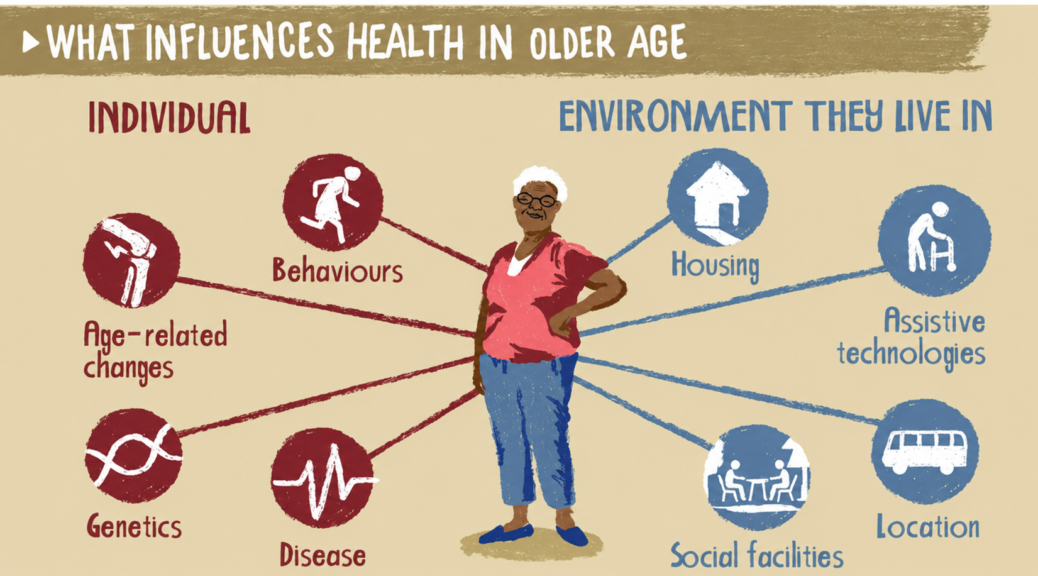
Living longer is not the result of only one factor. The strongest message from human longevity research is that lifespan is shaped by a combination of biological, behavioral, social, and environmental factors that interact throughout life. These include diet, physical activity, sleep, mental well-being, genetics, sex, social connection, socioeconomic status, and the conditions in which people live.
Researchers study longevity in many ways. Some follow large groups of people for years or decades and compare health outcomes using statistical analyses. Others examine biological markers such as inflammation, cholesterol, insulin resistance, muscle mass, or epigenetic aging. Genetics plays an important role, but it does not explain everything. In this document, we provide an overview of the main findings from the human longevity literature. You can find the raw data collected in this Google Sheet.
Diet matters, but overall patterns matter more than single foods
One of the clearest findings in longevity research is that overall diet quality matters. Dietary patterns similar to the Mediterranean diet are consistently associated with lower mortality and better health in older age. Diets rich in plant foods, olive oil, fish, and minimally processed foods tend to perform better than typical Western-style diets high in refined products and excess red meat.
Some individual foods and drinks also appear repeatedly in the research. Coffee, green tea, olive oil, and dark chocolate are often associated with lower mortality in some studies. Chili peppers and fish intake also show up as potentially beneficial. However, these findings should be interpreted carefully. People who consume these foods may also differ in many other ways, including their income, education, physical activity, or access to healthcare.
The most reliable takeaway is simple: people tend to do better when they follow a balanced, high-quality diet.
Physical activity is one of the strongest predictors of longer life
If there is one factor that appears again and again in human longevity research, it is movement. Regular physical activity is strongly associated with lower mortality risk. This includes moderate-to-vigorous exercise, walking, cycling, running, and even light daily activity.
The research also shows that fitness itself matters. Faster walking speed, stronger grip strength, better muscle mass, and higher aerobic capacity are all linked with better survival. These are important because they reflect exercise habits but also because they indicate resilience and functional reserve as people age.
Just as important is the opposite side of the picture: too much sitting is linked to worse outcomes. Long periods of sedentary behavior are associated with higher mortality, even in people who are otherwise relatively healthy.
Sleep and body rhythm play a bigger role than many people realize
Sleep is a biological process closely tied to metabolic health, hormonal balance, brain function, and recovery. Longevity research suggests that both too little sleep and too much sleep are associated with higher mortality.
Circadian rhythm also matters. People exposed to long-term night shift work or chronically irregular schedules may face higher risks related to metabolic disruption, inflammation, and cardiovascular health. In that sense, longevity is influenced not only by how much we sleep, but also by when we sleep and how stable our routine is.
The best-supported pattern is regularity: a consistent rhythm, enough sleep, and avoiding chronic circadian disruption whenever possible.
Social connection and socioeconomic conditions are major health factors
One of the most overlooked areas of longevity research is the importance of human relationships. People who are socially connected generally do better than those who are isolated. Marriage, family life, social ties, religious participation, and community belonging are all associated in various studies with lower mortality.
Of course, socioeconomic status is another major predictor of longevity. People with higher income, better education, and greater financial security generally live longer and spend more years in good health. Conversely, poverty is consistently associated with higher mortality through multiple pathways, including reduced access to healthcare, poorer nutrition, chronic stress, more hazardous occupations, and less favorable living environments.
At the same time, loneliness and social isolation are repeatedly linked to higher mortality. This may happen through several pathways: higher stress, depression, poorer sleep, unhealthy behaviors, and reduced support during illness or crisis.
Mental well-being influences longevity too
Psychological health is closely linked to physical health across the lifespan. Research suggests that optimism, purpose in life, positive affect, resilience, and happiness are associated with better survival outcomes. On the other hand, depression, chronic stress, PTSD, and persistent psychological distress are associated with increased mortality risk.
These findings make biological sense. Mental distress can affect inflammation, sleep, heart health, hormonal regulation, and health-related behaviors. It can also make healthy routines harder to maintain. Meanwhile, emotional well-being may support healthier habits, treatment adherence, and stronger social relationships.
Biology and genetics matter, but they are not destiny
Some people are biologically more protected than others. Certain genetic variants are associated with higher or lower risk of disease and mortality. Biomarkers such as inflammation, insulin resistance, blood pressure variability, cholesterol balance, muscle mass, and epigenetic aging can also give clues about how the body is aging.
Still, genetics does not fully determine lifespan. Research suggests that inherited factors explain only part of the variation in how long people live. Environment, behavior, healthcare, and social conditions remain extremely important.
One example is the consistent observation that women live longer than men in nearly every country, a difference that is likely explained, at least in part, by genetic and biological factors, together with hormonal, behavioral, and environmental influences.
Where and how people live affects how long they live
Cleaner air, quieter neighborhoods, access to green spaces, safer working conditions, better housing, education, healthcare access, and economic opportunities all support longer life.
By contrast, pollution, occupational hazards, chronic insecurity, poor housing, and poverty can shorten lifespan. These findings highlight again the impact of socioeconomic factors on longevity. The conditions that promote longer, healthier lives are not distributed equally across populations.
In summary
No single factor determines how long we live. Human longevity results from the interaction between biology, behavior, social relationships, socioeconomic conditions, and the environment throughout life. Unfortunately, the positive differences add up only partially and in a diminishing manner.
Keywords explored in the longevity literature:
- Air pollution
- Alcohol
- Altitude
- Circadian rhythm
- Coffee
- Diet
- Education
- Employment
- Exercise
- Genetics
- Green spaces
- Grip strength
- Happiness
- Healthcare access
- Income
- Inflammation
- Loneliness
- Marriage
- Muscle mass
- Obesity
- Physical activity
- Purpose in life
- Religion
- Sedentary behavior
- Sex (female/male)
- Shift work
- Sleep
- Smoking
- Social connection
- Stress
- Walking speed
The good news of the month: Selection of 20 finalists competing for a prize worth $101 million aimed at promoting life extension
XPRIZE Healthspan has selected 20 finalists for the clinical phase of its $101 million competition, with human trials set to test a wide range of longevity interventions in adults aged 50–90. While the ambitious goal of reversing 10–20 years of age-related functional decline within a year may be unrealistic, these coordinated trials could generate valuable and comparable human data on muscle, cognitive and immune function — something the longevity field urgently needs.
News of Heales and the Longevity Community: ARDD 2026, Boston
The Aging Research, Drug Discovery (ARDD) 2026 conference will take place in Boston, bringing together researchers and experts working on the biology of ageing, longevity and the development of interventions targeting age-related decline.
This year, Shivani and Ninon are expected to present posters. Shivani will present the results of the international longevity survey we organised, exploring perceptions of longevity across countries worldwide. Ninon will present the bat project, focusing on the genomic study of a medium-lived bat species that we plan to sequence using Oxford Nanopore technology.
For more information